
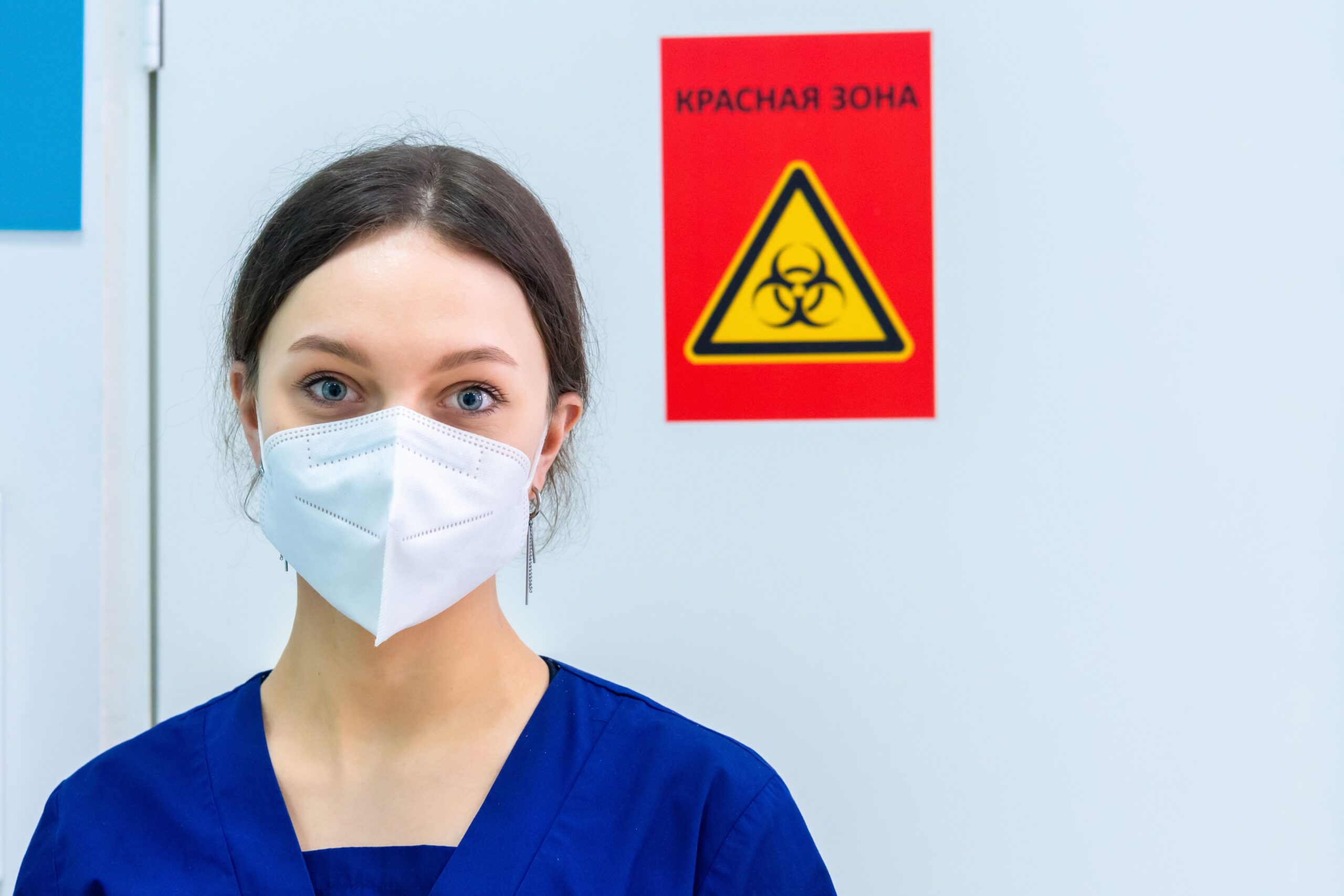
Healthcare facilities must maintain exceptionally high standards of cleanliness and safety. While surface disinfection and hand hygiene are essential, air quality is equally important in preventing the spread of contaminants. Airborne particles such as dust, bacteria, viruses, and fungal spores can travel throughout a building if they are not effectively controlled. For this reason, advanced air filtration systems have become a critical component of modern healthcare environments.
By improving indoor air quality and reducing airborne contaminants, these systems help protect patients, healthcare professionals, and visitors while supporting overall facility performance.
The Importance of Clean Air in Healthcare Settings
Healthcare facilities are unique environments where individuals with varying health conditions are treated daily. Many patients have weakened immune systems, making them more susceptible to infections and airborne contaminants. Even small amounts of polluted air can create challenges in sensitive medical areas.
Clean air supports safer patient care by reducing exposure to potentially harmful particles. Effective filtration systems continuously remove contaminants from circulating air, helping maintain healthier indoor environments throughout hospitals, clinics, surgical centers, and laboratories.
As healthcare organizations place greater emphasis on infection prevention, air quality management continues to be a top priority.
How Advanced Filtration Systems Work
Modern air filtration systems are designed to capture particles of different sizes before they can spread through a facility. These systems use multiple layers of filtration and controlled airflow to remove contaminants from the indoor environment.
Many medical facilities rely on hospital air filtration systems that incorporate high-efficiency filters capable of trapping microscopic particles. Air passes through these filters before being redistributed throughout occupied areas, reducing the concentration of airborne pollutants.
Advanced systems often work alongside carefully engineered ventilation networks that maintain proper airflow patterns. Together, filtration and ventilation help create cleaner spaces while minimizing the movement of contaminants between rooms.
Supporting Infection Prevention Efforts
One of the primary reasons healthcare facilities invest in advanced air filtration is infection control. Airborne contaminants can contribute to the spread of illnesses if they are allowed to circulate freely throughout a building.
Filtration systems help reduce the number of airborne particles present in treatment areas, waiting rooms, and patient care spaces. While no single solution can completely eliminate risk, air filtration serves as an important layer within a broader infection prevention strategy.
This added protection is especially valuable in environments where vulnerable patients receive treatment or recover from medical procedures.
Critical Areas That Depend on Air Filtration
Certain healthcare spaces require stricter environmental controls than others. Operating rooms, for example, need highly controlled air conditions to help maintain a sterile environment during surgical procedures.
Isolation rooms also rely on specialized airflow and filtration systems to help manage the movement of airborne pathogens. These systems are carefully designed to support patient safety and reduce transmission risks.
Laboratories, clean rooms, pharmaceutical preparation areas, and intensive care units similarly benefit from advanced air filtration. Maintaining clean air in these settings supports both safety and operational accuracy.
Because different spaces serve different functions, healthcare facilities often implement customized filtration strategies based on the specific requirements of each area.
Benefits Beyond Patient Safety
The advantages of advanced air filtration extend beyond infection prevention. Cleaner indoor air can improve working conditions for healthcare staff who spend long hours inside medical facilities. Reduced exposure to airborne irritants may contribute to greater comfort and productivity throughout the workplace.
Air filtration systems can also help protect sensitive medical equipment from dust buildup and contamination. By reducing particulate accumulation, facilities may lower maintenance requirements and support the long-term performance of valuable equipment.
In addition, maintaining high indoor air quality can help healthcare organizations meet regulatory requirements and industry standards related to environmental safety.
Preparing for Future Healthcare Challenges
Healthcare environments continue to evolve as patient needs and safety expectations increase. Advanced air filtration systems provide a proactive approach to maintaining cleaner indoor spaces while supporting modern infection control practices.
New technologies are making air filtration solutions more efficient, reliable, and adaptable to changing healthcare demands. Facilities that invest in effective air quality management are better positioned to create safe environments for patients and staff both now and in the future.
Conclusion
Advanced air filtration systems play a vital role in healthcare facilities by helping control airborne contaminants and supporting infection prevention efforts. From operating rooms and intensive care units to laboratories and patient care areas, clean air contributes to safer and more effective healthcare environments. As medical facilities continue to focus on patient safety and operational excellence, advanced air filtration remains an essential investment in long-term health and protection.
