
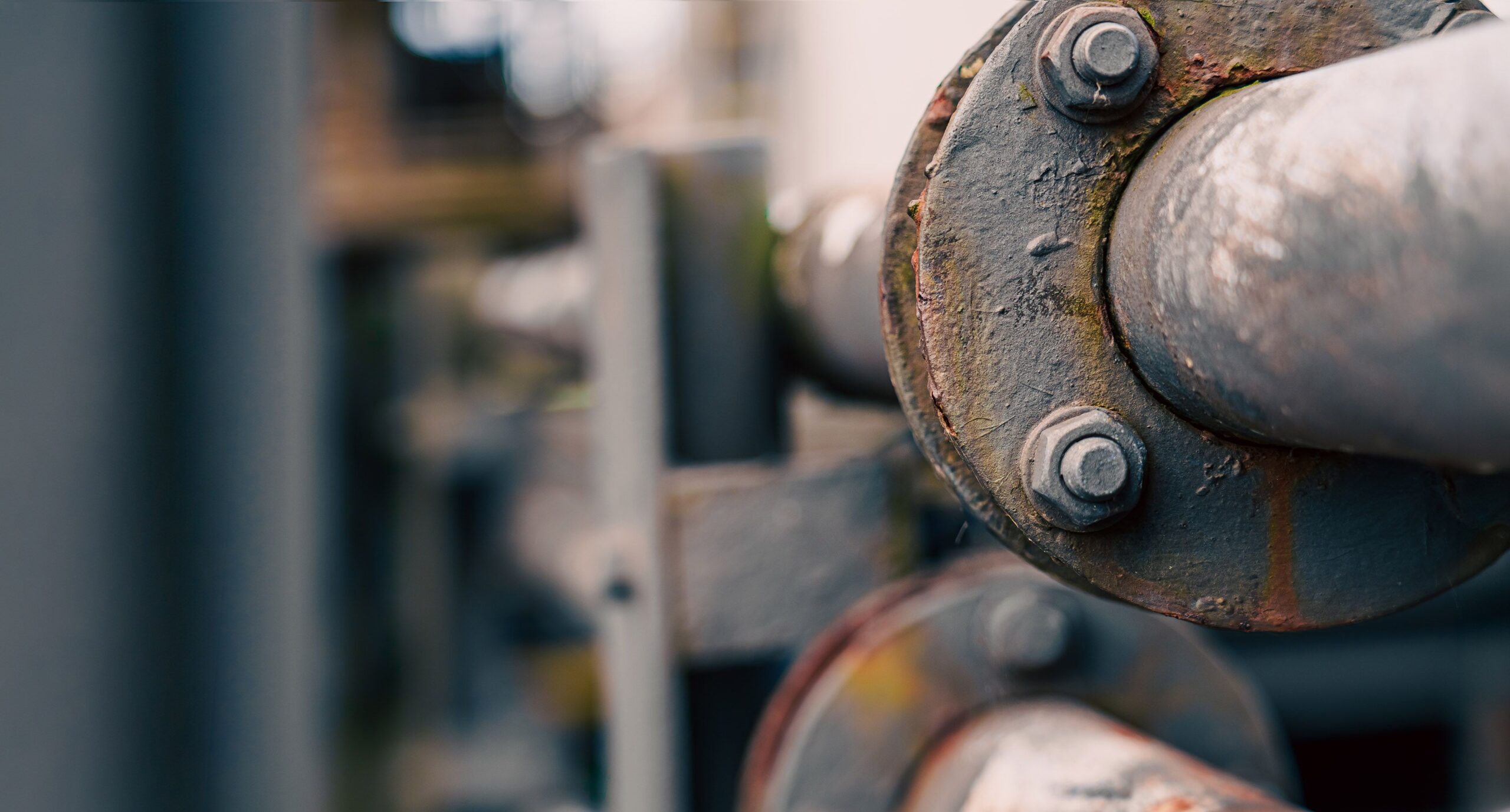
Mechanical systems depend on the proper positioning of components to operate efficiently and safely. Even a small amount of movement along a shaft can lead to performance problems, increased wear, and unexpected downtime. Shaft collars play a critical role in maintaining component positioning, but improper installation or selection can result in slippage and alignment issues that affect the entire system.
Understanding the common causes of these problems and how to prevent them can help improve equipment reliability and reduce maintenance costs.
Understand the Causes of Collar Slippage
Shaft collar slippage occurs when the collar shifts from its intended position during operation. This movement can be caused by several factors, including insufficient clamping force, incorrect sizing, excessive vibration, or heavy axial loads.
One of the most common causes is selecting a collar that does not match the shaft diameter precisely. A loose fit reduces holding power and increases the likelihood of movement under load. Similarly, improperly tightened fasteners may fail to generate enough gripping force to secure the collar.
Vibration from motors, conveyors, and rotating equipment can also gradually loosen components over time, making slippage more likely if collars are not properly installed.
Select the Correct Collar Design
The type of collar used can significantly influence system stability. Different designs offer varying levels of holding power and resistance to movement.
Set screw collars are often used in basic applications, but they may create localized pressure that can damage shafts and reduce holding effectiveness over time.
Clamp-style designs provide a more even distribution of force around the shaft, making them a preferred choice for applications requiring precise positioning and minimal shaft damage. Two-piece clamp collars offer additional installation flexibility and are often easier to adjust or replace during maintenance.
When choosing shaft collars, selecting a design that matches the load requirements and operating conditions of the system is one of the most effective ways to reduce slippage.
Ensure Proper Installation Procedures
Even a high-quality collar can fail if installed incorrectly. Proper installation begins with thoroughly cleaning the shaft surface. Dirt, grease, oil, and debris can reduce friction between the collar and shaft, limiting holding power.
Before tightening the collar, verify that the shaft and collar are free from surface defects that could interfere with proper contact. Position the collar accurately and follow the manufacturer’s recommended tightening specifications.
Overtightening may damage the collar or shaft, while undertightening can allow movement during operation. Using a calibrated torque wrench when required helps ensure consistent and secure installation.
Regular inspection after installation can identify minor movement before it develops into a larger problem.
Maintain Accurate Shaft Alignment
Alignment issues often occur when collars are positioned incorrectly or when moving components experience uneven loading. Misalignment can increase friction, create vibration, and accelerate wear on bearings, couplings, and other connected components.
Accurate measurement during installation helps ensure that collars are positioned precisely where they are needed. When multiple collars are used on the same shaft, checking spacing and alignment is especially important.
In applications involving pulleys, sprockets, gears, or bearings, proper alignment of all rotating elements is essential. Even slight deviations can place additional stress on the shaft and increase the risk of component movement.
Routine maintenance checks can help identify alignment changes caused by vibration, thermal expansion, or mechanical wear.
Consider Environmental and Operating Conditions
Operating conditions have a direct impact on collar performance. High temperatures can cause material expansion, while exposure to moisture or chemicals may contribute to corrosion and reduced holding capability.
For harsh environments, selecting corrosion-resistant materials such as stainless steel can improve long-term reliability. In high-vibration settings, collars designed specifically for demanding industrial applications often provide better performance and retention.
Load changes should also be considered. Equipment that experiences shock loading or frequent starts and stops may require collars with greater holding power than those used in steady-state applications.
Matching the collar material and design to environmental conditions helps maintain consistent performance over time.
Establish a Preventive Maintenance Program
Preventive maintenance is one of the best ways to avoid slippage and alignment issues. Regular inspections allow maintenance teams to identify loose fasteners, wear, corrosion, or movement before significant damage occurs.
Checking collar positioning as part of routine equipment maintenance can help detect problems early. Fasteners should be retightened according to the manufacturer’s recommendations if necessary, and damaged collars should be replaced promptly.
Monitoring vibration levels and overall machine performance can also provide early warning signs that alignment or positioning issues are developing.
A proactive maintenance strategy not only extends component life but also helps reduce costly downtime and unexpected repairs.
Conclusion
Preventing shaft collar slippage and alignment issues requires a combination of proper component selection, accurate installation, routine inspections, and ongoing maintenance. By focusing on correct sizing, suitable collar designs, reliable installation practices, and operating conditions, equipment operators can improve system stability and minimize mechanical problems. Taking these preventive measures helps ensure smoother operation, longer equipment life, and greater overall efficiency.
