
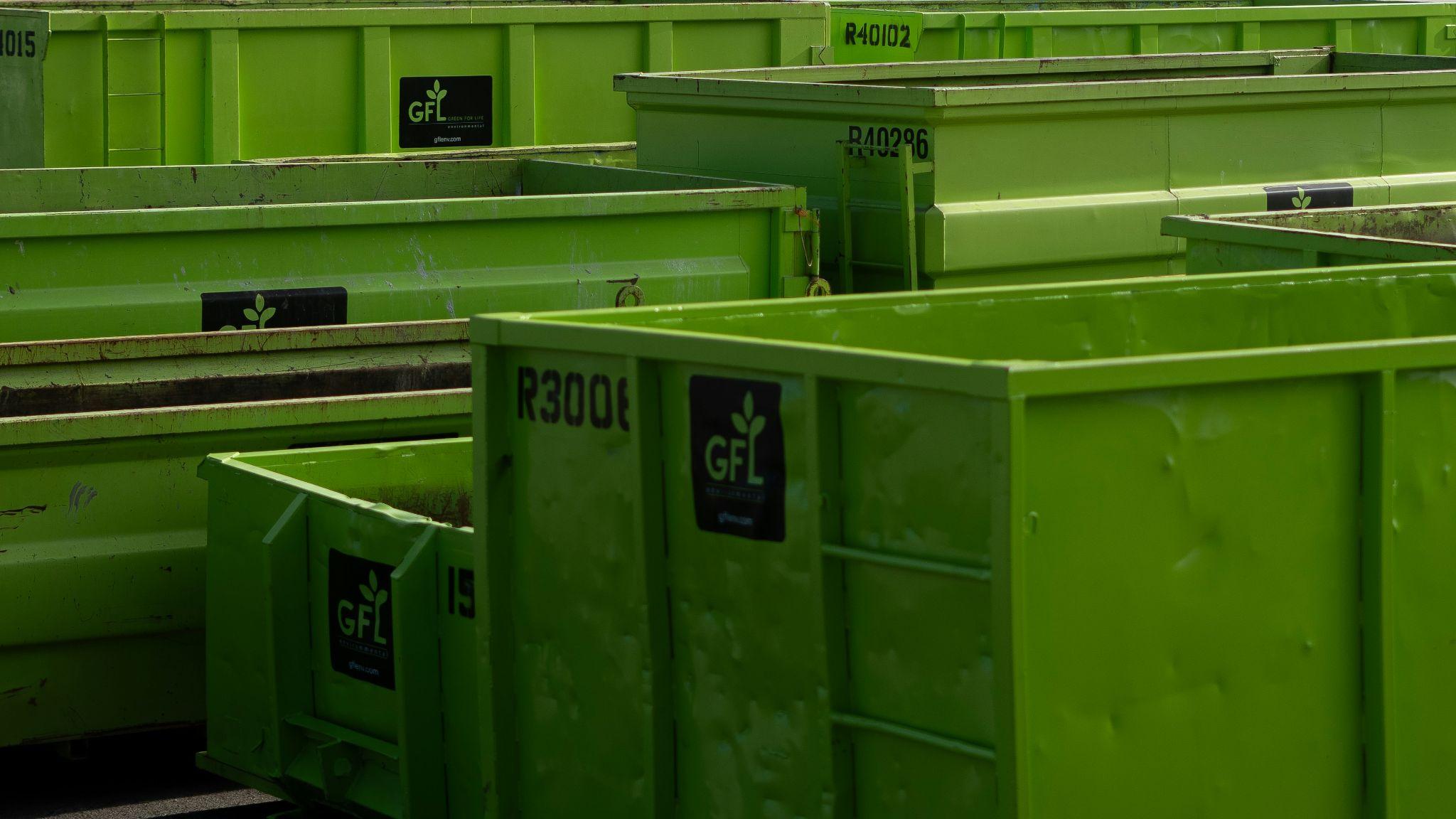
The instinct when hiring a skip bin on a budget is to find the cheapest available quote and book it. This instinct is understandable and almost always counterproductive. The cheapest quote for the smallest bin produces the most expensive outcome when the bin fills before the project is finished, when the waste type doesn’t match what was declared at booking, or when the load exceeds the weight limit and triggers excess charges that dwarf the saving the small bin appeared to offer.
Budget-conscious skip bin hire is not about finding the lowest number in a price comparison. It’s about understanding which decisions most affect the total cost of the hire and making those decisions correctly before the booking is placed. The hirer who does this consistently pays what the hire was quoted at. The one who prioritises the lowest quote over the right specification consistently pays more than that quote on collection day.
The Size Decision That Most People Get Wrong in the Expensive Direction
The size decision is the one with the most direct and most consistent financial consequence when it’s wrong, and the direction in which most budget-conscious hirers get it wrong is the one that costs more rather than less.
A bin that fills before the project is complete creates a situation with no cheap exit. Hiring a second bin involves a second delivery fee and a second collection fee on top of the hire cost for the additional bin. Requesting an early collection and replacement involves a scheduling delay that may interrupt trades or extend the project timeline. Stopping the project while the waste situation is resolved has a time cost that translates into a financial cost for anyone paying trades by the day or managing a project against a deadline.
The cost comparison that makes the size decision clearly is the price difference between adjacent bin sizes versus the total cost of the overflow scenario. The difference between a four cubic metre bin and a six cubic metre bin is a modest increment in the hire cost. The cost of a second hire, including the delivery and collection fees, plus any project delay that results from the bin filling at the wrong moment, is consistently larger than that increment. The six cubic metre bin that turned out to be more than needed costs the hire increment. The four cubic metre bin that turned out to be insufficient costs the hire increment plus everything the overflow required.
The budget-conscious decision is therefore the accurately sized bin rather than the smallest available bin, because the accurately sized bin produces the lowest total cost across the full hire period. One size larger than the confident estimate is the specific recommendation that experienced hirers consistently give, because the project that generates slightly more waste than expected is the rule rather than the exception.
The Waste Type and Weight Variables That Inflate Invoices
The post-collection charges that most consistently inflate skip bin invoices above the quoted amount are produced by two specific mismatches between what was declared at booking and what was in the bin at collection.
Waste type mismatch is the first. Skip bin pricing is structured around waste categories, with general household and renovation waste at the standard rate and heavier or more specialist materials priced at higher rates that reflect the different processing requirements. The most common mismatch is soil loaded into a general waste bin. Soil requires a specifically designated bin at a higher rate than general waste, and a general waste bin loaded with soil produces either an incorrect waste type charge or a rejected load at the processing facility. The saving from booking the cheaper general waste bin disappears in the correction charge that follows, and the total cost is higher than if the correct bin type had been selected at the outset.
Weight mismatch is the second. Every skip bin has a weight limit, and loads that exceed that limit attract a per-tonne excess charge that applies to each tonne over the limit. The materials that most commonly trigger this charge are the dense ones: concrete, bricks, tiles, soil, and masonry. These materials reach weight limits at a fraction of their visual volume, which is why a bin that looks well within its capacity at collection can generate an overweight charge that significantly inflates the invoice.
The budget-conscious approach to both variables is the same: confirm the correct waste type before booking and assess the weight profile of the load before selecting the bin. A load that contains significant quantities of dense materials needs either a bin specified for those materials or a separation approach that keeps the heavy materials in a correctly specified bin and the lighter general waste in a standard bin. The cost of the correct specification at booking is almost always less than the cost of the incorrect specification corrected at collection.
The Booking and Timing Decisions That Reduce Total Cost
Beyond size and waste type, a small number of booking and timing decisions affect the total cost of a skip bin hire in ways that are worth understanding before the booking is placed.
The hire period selection affects whether the project can complete within the included period or requires an extension that adds cost. A hire period that covers the project timeline with a day or two of margin prevents the extension fee that a hire period that ends before the project does would require. Confirming the realistic project timeline before selecting the hire period is a straightforward decision that prevents a straightforward additional cost.
Placement confirmation before delivery prevents the council permit costs that arise when a bin needs to go on public property without the required permit having been arranged. A bin on a driveway or private property requires no permit. A bin on a footpath, nature strip, or road requires a council permit that takes time and costs money to obtain. Confirming the intended placement and arranging any required permit before the delivery date prevents the specific situation of a driver arriving who cannot legally place the bin where it was intended to go.
Online booking is the timing efficiency that most directly reduces the friction and the time cost of arranging a skip bin hire. To book a skip bin online through Sydney Waste Aus takes under two minutes, with suburb, waste type, bin size, and delivery and collection dates selected through a straightforward booking interface that produces a confirmed hire without a phone call, a hold queue, or a follow-up conversation. The time saving is modest for a single hire and cumulative for anyone managing multiple projects, and the confirmed booking record that results from the online process is a useful reference for the invoice comparison that follows collection.
Why the Accurate Specification Is the Budget-Conscious Choice
The budget-conscious skip bin hire that produces the lowest total cost is the one that was accurately specified before booking rather than the one that was booked at the lowest available quote. These are almost never the same thing, and confusing them is what produces the gap between the quoted price and the invoice that budget-conscious hirers are specifically trying to avoid.
The accurate specification covers four variables: the bin size that suits the project’s volume with a margin for underestimation, the waste type that matches the actual materials being disposed of, the hire period that covers the project timeline, and the placement that suits both the project and the delivery requirements. Getting all four right before booking is what produces an invoice that matches the quote. Getting any one of them wrong is what produces the specific charge that inflates the invoice above it.
The time required to confirm all four is modest. The size estimate that uses wheelbarrow loads as a reference rather than a visual guess at cubic metres. The waste type check that confirms which category the heaviest materials fall into. The timeline assessment that gives the hire period a realistic foundation. The placement confirmation that establishes whether a permit is needed before the delivery is scheduled. Together these confirmations take less time than a single post-collection conversation about an unexpected charge, and they remove the need for that conversation by producing a hire whose total cost was accurate before the booking was confirmed.
