

Tim Davie is one of the most influential figures in modern British broadcasting, widely known for his leadership role at the BBC and his strong stance on editorial neutrality and institutional reform. Over the past decade, his name has frequently appeared in headlines connected to debates about political balance, media ethics, and the future of public broadcasting. Many readers search for details about “Tim Davie Wikipedia,” “Tim Davie political views,” “Tim Davie wife Anne,” or even questions about his religion, ethnicity, and social media presence. This article explores who Tim Davie is, his professional journey, personal background, and the controversies that have shaped public perceptions of him.
Early Life and Background
Timothy Douglas Davie was born on April 25, 1967, in Croydon, London. Raised in England, he pursued higher education at Selwyn College, Cambridge, where he developed the academic foundation that would later support his leadership roles in media and business. Before entering broadcasting, Davie built a career in marketing and brand management, working for multinational corporations such as Procter & Gamble and PepsiCo. These early roles shaped his reputation as a strategic thinker with strong commercial instincts.
While many biographies emphasize his professional achievements, there is limited public information about Tim Davie’s religion or ethnicity. Major sources generally describe him simply as a British media executive. The absence of detailed personal disclosures suggests that he has intentionally kept aspects of his private identity away from public discussion, focusing instead on professional responsibilities.
Career Journey and Rise to BBC Leadership
Tim Davie joined the BBC in 2005, marking a major shift from corporate marketing to public broadcasting. Over the years, he climbed through various leadership positions, including Director of Audio and Music, where he played a key role in expanding BBC radio and digital audio platforms. His ability to balance creativity with business strategy earned him recognition inside the organization.
In 2012, Davie briefly served as Acting Director-General during a turbulent period for the BBC, gaining valuable experience managing crisis situations. This early leadership role demonstrated his capacity to steer a complex institution through political and media scrutiny. Eventually, in September 2020, he was appointed Director-General of the BBC, a position that placed him at the center of debates about the future of British public broadcasting.
As Director-General, Davie emphasized restoring public trust, strengthening editorial standards, and adapting the BBC to an increasingly digital media environment. His leadership coincided with intense public discussions about bias, impartiality, and the role of journalists on social media.
Tim Davie Wikipedia Searches and Public Curiosity
Online interest in Tim Davie surged after he became Director-General. Many readers turned to Wikipedia and blog-style articles to learn about his background, career milestones, and personal life. Searches such as “Tim Davie Wikipedia” often focus on his leadership style and policy decisions, particularly his approach to impartiality and newsroom conduct.
Unlike many media executives who cultivate strong personal brands online, Davie has maintained a relatively low-profile public persona. This has led to recurring curiosity about his social media presence, including whether he has an official Instagram account.
Tim Davie Instagram and Online Presence
One of the most common online questions is whether Tim Davie uses Instagram. As of now, there is no widely verified official Instagram account linked to him. Any profiles appearing under his name are typically unverified or fan-created. This limited online presence aligns with his professional image as a traditional broadcaster focused on institutional leadership rather than personal promotion.
In an era where many media figures rely heavily on social media for communication, Davie’s reserved approach stands out. His public messaging has largely been delivered through formal interviews, press statements, and BBC announcements rather than personal platforms.
Personal Life: Tim Davie Wife Anne Claire Shotbolt
Tim Davie’s personal life is centered around his family, particularly his wife, Anne Claire Shotbolt. The couple married on July 26, 1997, in Buckinghamshire. They reportedly met through shared interests in windsurfing, a hobby that reflects Davie’s active lifestyle outside the newsroom.
Anne Claire Shotbolt has maintained a private profile, rarely appearing in public media coverage. Unlike many spouses of prominent executives, she has avoided the spotlight, contributing to the limited public information available about her career or personal background. Together, they have three sons and have lived in the East Twickenham area of London.
Public curiosity about “Tim Davie wife Anne” often arises from the contrast between his high-profile leadership role and his family’s preference for privacy. Despite intense media scrutiny during controversial moments in his career, Davie has consistently kept family matters separate from professional discussions.
Political Views and Conservative Party Connections
One of the most debated aspects of Tim Davie’s background is his early involvement with the Conservative Party. In the 1990s, he ran as a Conservative candidate in local council elections and held a position within a local Conservative association. Although these activities occurred long before his BBC leadership, critics and commentators frequently revisit them when discussing impartiality.
During his tenure at the BBC, Davie emphasized that his political past did not influence editorial decisions. He introduced stricter guidelines for journalists regarding public political expression, arguing that visible activism could undermine audience trust. Supporters viewed these policies as necessary steps toward neutrality, while critics saw them as overly restrictive.
When discussing “Tim Davie Conservative” connections, it is important to distinguish between historical political involvement and his official role as a public broadcaster. Davie consistently framed his leadership philosophy around institutional neutrality rather than partisan alignment.
Debates About Impartiality and Editorial Policy
Tim Davie’s time as Director-General was marked by ongoing debates about media bias. He advocated for a clear separation between personal opinions and professional journalism, introducing policies that limited overt political messaging by BBC staff. These policies sparked discussions across the UK media landscape about the balance between free expression and institutional responsibility.
Supporters argued that his reforms helped restore credibility to the BBC at a time of growing polarization. Critics, however, claimed that stricter rules risked suppressing journalists’ voices. Regardless of perspective, Davie’s tenure highlighted the challenges of leading a publicly funded broadcaster in a rapidly changing political and cultural environment.
Tim Davie and Krishnan Guru-Murthy
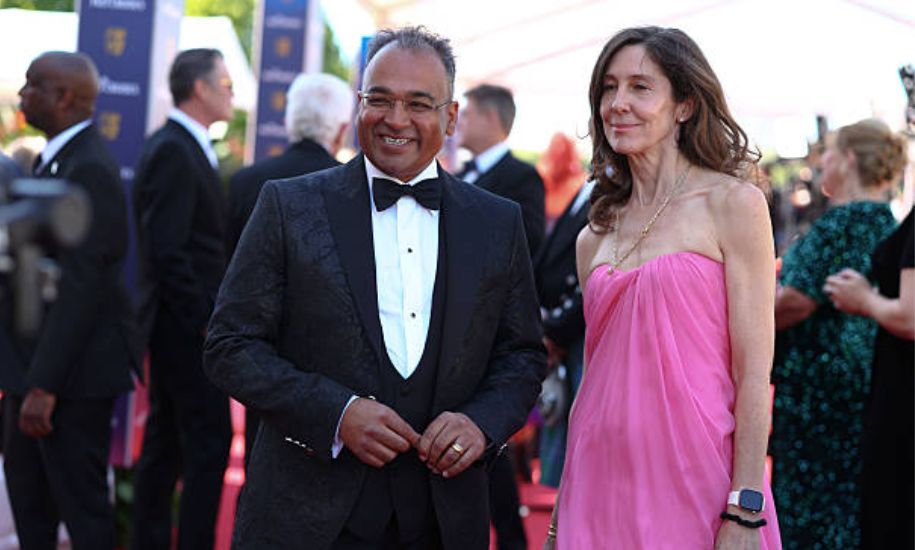
Another topic that appears in online searches is the relationship between Tim Davie and journalist Krishnan Guru-Murthy. Guru-Murthy is a well-known presenter for Channel 4 News, often associated with direct and challenging interviews. While discussions about both figures occasionally intersect in broader debates about UK media standards, there is limited verified evidence of a significant direct professional conflict between them.
Blog posts sometimes speculate about tensions between broadcasters or journalists, but readers should approach such claims carefully. The overlap between Davie’s BBC leadership and Guru-Murthy’s role in independent journalism mainly reflects wider conversations about media accountability rather than a specific personal rivalry.
Religion, Ethnicity, and Public Identity
Search trends frequently include questions about Tim Davie’s religion and ethnicity, yet reliable sources rarely provide detailed answers. Davie has not publicly emphasized religious affiliation, and mainstream biographies avoid categorizing his ethnicity beyond describing him as British.
This absence of personal disclosure illustrates a broader pattern among senior media executives who prioritize professional achievements over personal branding. By maintaining privacy in these areas, Davie has kept public attention focused primarily on his policy decisions and leadership actions.
Legacy and Influence on Modern Broadcasting
Tim Davie’s leadership style has had a lasting impact on discussions about the role of public broadcasters in the digital age. His emphasis on impartiality, audience trust, and modernization reflects the pressures facing institutions like the BBC as they compete with streaming platforms and social media-driven news sources.
Even after stepping down from leadership roles, Davie remains a prominent figure in conversations about media reform and journalistic ethics. Analysts continue to evaluate whether his policies strengthened the BBC’s reputation or intensified debates about freedom of expression within newsrooms.
Final Thoughts
Understanding who Tim Davie is requires looking beyond headlines and political labels. From his early career in marketing to his leadership at one of the world’s most influential public broadcasters, he has navigated complex challenges involving politics, technology, and audience trust. His private family life with Anne Claire Shotbolt contrasts sharply with the intense public scrutiny surrounding his professional decisions.
For readers exploring media leadership, institutional neutrality, and the evolving role of public broadcasting, Tim Davie’s story offers valuable insights. Articles like this, published on platforms such as Wisto Blogs, aim to provide balanced and detailed perspectives on public figures while separating verified facts from online speculation.
