

Introduction and Market Relevance
Across Canadian construction sites and rural properties, installing underground utilities requires precise trench digging. Manual shoveling is slow, physically demanding, and produces uneven trenches. A Kohler powered trenching machine provides mechanized digging for pipes, cables, and irrigation lines. Canadian contractors, landscapers, and property owners use these machines for efficient trenching in residential and light commercial applications.
Common Applications and Trenching Method
Trenching machines are commonly used for:
· Underground power line installation
· Water pipe and irrigation system burial
· Telecommunications cable trenching
· Sprinkler system pipe laying
· Drainage tile installation
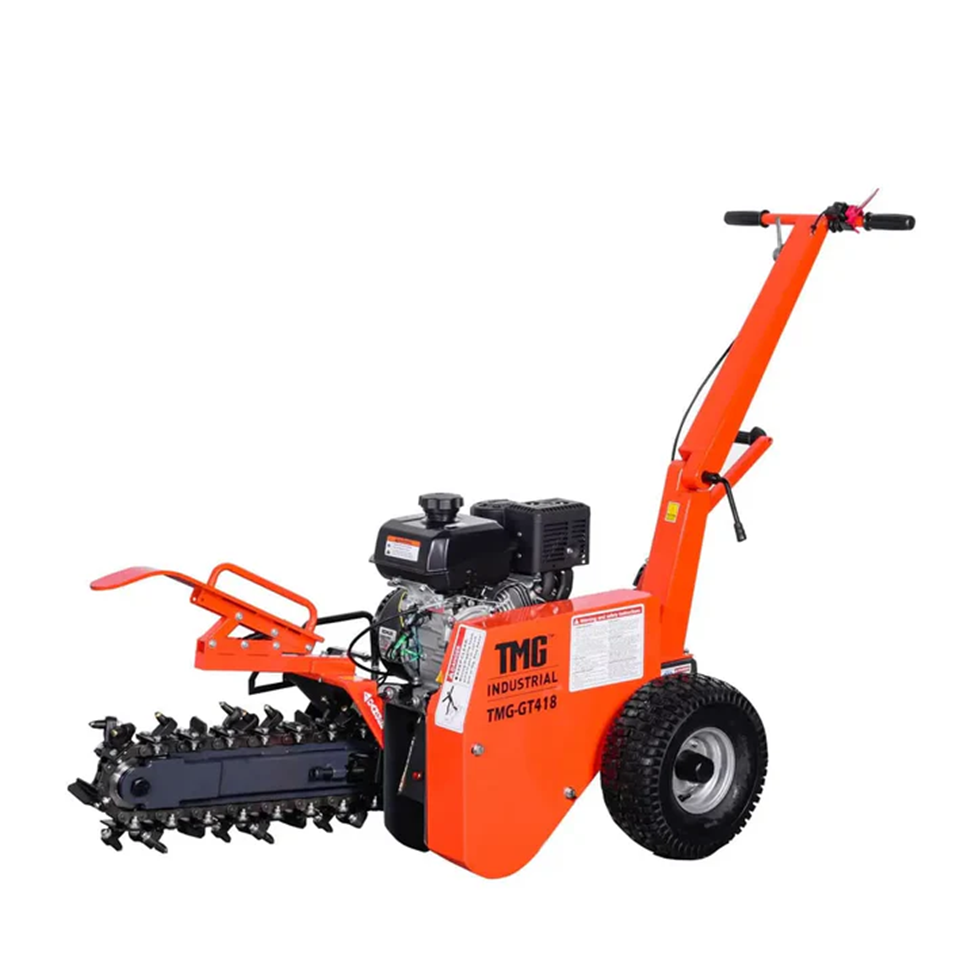
The machine uses a cutter chain with 21 tungsten carbide teeth rotating at up to 1800 feet per minute. The chain digs a 4 inch wide trench to a maximum depth of 18 inches. An auto-feed auger discharges soil away from the trench edge, keeping the workspace clean. The centrifugal clutch engages the chain only when the engine reaches operating speed.
Cutting Efficiency and Soil Compatibility
Tungsten carbide cutting teeth maintain sharpness significantly longer than steel teeth. This durability is essential when cutting through rocky or compacted soil common in Canadian ground conditions. The teeth resist wear from sand, gravel, and small rocks that would quickly dull standard steel cutters.
The 7 horsepower engine provides sufficient torque for residential and light commercial trenching. The chain speed of 1800 feet per minute translates to a trenching speed of approximately 200 feet per hour in favorable soil conditions. This productivity allows contractors to complete trenching for an average residential lot in a single morning.
Operational Control and Depth Adjustment
Five depth positions allow the operator to set the trench depth from 0 to 18 inches in increments. This adjustability is useful when avoiding existing underground utilities or when varying depth is required along the trench line. The axle auto-lock feature provides forward drive for trenching and reverse for repositioning.
Large 15 inch pneumatic tires provide stability on uneven ground and reduce operator effort compared to smaller-wheeled units. The walk-behind design gives the operator direct control over trench direction.
Safety Practices and Operational Guidelines
Safe trenching requires several key practices:
· Call for utility locate before any digging
· Wear steel-toe boots and hearing protection
· Keep bystanders 20 feet from trench line
· Stop engine before clearing chain jams
· Operate on level ground only
Engine shutdown is automatic when oil level drops below safe operating range, preventing internal damage. The recoil start requires no battery, reducing maintenance.
Advantages and Limitations
Advantages of a powered trencher include:
· 18 inch maximum trench depth
· 4 inch standard trench width
· Tungsten carbide teeth for durability
· 200 feet per hour trenching speed
· Auto-feed auger soil discharge
· 5 depth positions for adjustability
Limitations to consider:
· Not for solid rock or frozen ground
· Requires utility locate before use
· Teeth replacement required periodically
· Heavy for manual transport
· Limited to 18 inch depth
Real-World Application Example
A Canadian electrical contractor in Ontario used a TMG Industrial trencher to install underground power to 8 rural homes. Manual trenching would have taken 5 days. The contractor used a trencher to cut 800 feet of trench in 6 hours. The narrow 4 inch trench minimized lawn damage. Tungsten teeth cut through rocky glacial till without replacement. The contractor completed the project in 2 days versus 10 days estimated for hand digging.
Conclusion and Future Outlook
Walk-behind trenchers enable contractors and property owners to install underground utilities efficiently. The combination of tungsten carbide teeth and 18 inch depth capacity makes these machines suitable for most residential and light commercial trenching applications. As underground utility installation continues growing, demand for efficient trenching equipment will likely remain strong. Future designs may include hydrostatic drive for smoother operation and remote depth control.
Contractors should evaluate powered trenchers for any project requiring over 100 feet of trenching. The 18 inch depth and 4 inch width make this machine suitable for diverse Canadian utility installation applications.
