
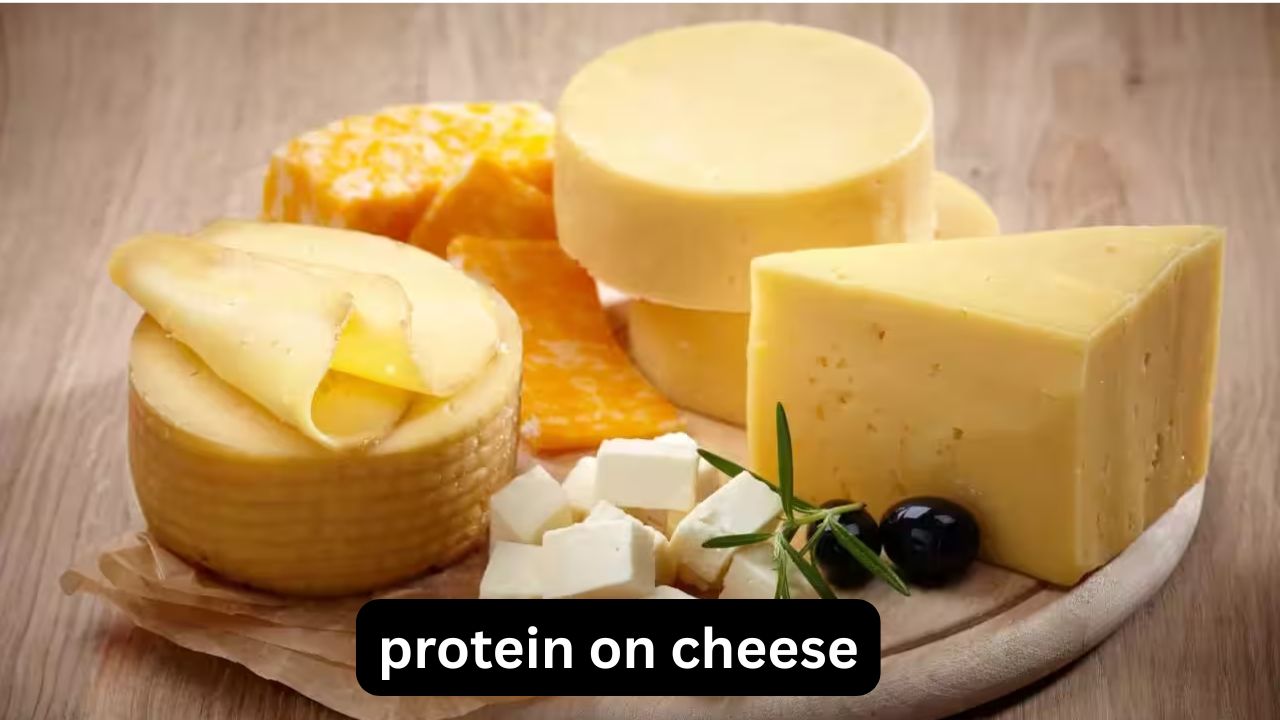
If you are trying to eat more protein, cheese can be an easy food to overlook. It is convenient, filling, widely available, and works in everything from breakfast eggs to sandwiches and salads. But how much protein on cheese actually means in practical terms? Is cheese a genuinely good protein source, or does its fat and calorie content make it less useful than foods such as eggs, chicken, yogurt, or cottage cheese?
The answer depends heavily on the type of cheese and how much you eat. A small amount of hard cheese can provide a useful protein boost, while softer or highly processed cheese may contribute considerably more calories for the same amount of protein.
This guide breaks down the protein content of common cheeses, explains which varieties are better for high-protein diets, and shows how to include cheese without accidentally turning a protein-rich meal into a calorie-heavy one. It also covers an often-missed point: the protein quality of cheese matters, but portion size matters just as much.
How Much Protein Is in Cheese?
Most natural cheeses contain a meaningful amount of protein because cheese is made by concentrating the proteins found in milk.
As a general guide, many common cheeses provide approximately 5–8 grams of protein per 28-gram (1-ounce) serving. However, the amount varies significantly according to the cheese’s moisture content, production method, and ingredients.
For example:
| Cheese | Approx. protein per 100 g |
|---|---|
| Parmesan | 35–38 g |
| Romano | 30–32 g |
| Swiss cheese | 27–29 g |
| Cheddar | 24–26 g |
| Mozzarella | 20–23 g |
| Feta | 14–15 g |
| Brie | 18–21 g |
| Cottage cheese | 11–13 g |
| Cream cheese | 6–7 g |
These numbers are approximate because brands and recipes can differ.
The important takeaway is that cheese can contribute substantially to your daily protein intake, but not all cheese is equally protein-dense.
A 30-gram serving of Parmesan, for instance, can deliver roughly 10–11 grams of protein. A similar amount of cream cheese provides far less.
Why Does Cheese Contain So Much Protein?
Cheese starts with milk, which naturally contains proteins such as casein and whey.
During cheesemaking, much of the water in milk is removed. The remaining solids become more concentrated, including fat, minerals, and protein. Hard cheeses generally lose more water than soft cheeses, which helps explain why their protein content per 100 grams can be much higher.
Casein is the main protein in most cheese
Casein makes up the majority of milk protein and remains an important component of cheese.
One interesting practical feature of casein is that it digests relatively slowly compared with some other dietary proteins. This is one reason dairy proteins are frequently discussed in sports nutrition and meal planning.
That does not mean cheese should automatically be considered a “muscle-building food.” Your total daily protein intake, overall diet, exercise, and energy balance matter much more than any individual cheese.
Which Cheese Has the Most Protein?
If your specific goal is to get the most protein from a relatively small portion, hard aged cheeses tend to perform very well.
Parmesan
Parmesan is one of the most protein-dense commonly eaten cheeses. Because it is hard and contains relatively little water, a small amount can provide a surprising amount of protein.
The catch is that Parmesan is also concentrated in calories and sodium. It works particularly well as a flavoring ingredient rather than as the main protein source.
For example, sprinkling Parmesan over eggs, vegetables, pasta, or soup can increase protein while adding strong flavor without requiring a large portion.
Romano
Romano is another aged hard cheese with a high protein concentration. Like Parmesan, it is best viewed as a concentrated ingredient rather than something you need to eat in large quantities.
Swiss cheese
Swiss cheese offers a useful combination of protein and calcium and can be practical for sandwiches, wraps, omelets, and snacks.
Cheddar
Cheddar is widely available and provides a respectable amount of protein. However, its calorie and fat content means portion control becomes important if you are trying to lose weight while maintaining a high-protein diet.
Is Cottage Cheese Better for Protein?
For many people, cottage cheese is more practical for increasing protein than traditional hard cheese.
Its protein concentration per 100 grams may be lower than Parmesan or Romano, but cottage cheese has a major advantage: you can comfortably eat a much larger serving.
A bowl of cottage cheese can provide a substantial protein serving without requiring you to consume a tiny amount of intensely concentrated cheese.
This makes it particularly useful for:
- Breakfast
- Post-workout meals
- High-protein snacks
- Weight-management diets
- Simple evening meals
You can combine cottage cheese with fruit for a sweet option or use it with vegetables, herbs, pepper, and whole-grain toast for a savory meal.
A useful comparison
Imagine you want approximately 20 grams of protein.
With a very protein-dense hard cheese, you may reach that number with a relatively small serving—but you may also consume a considerable amount of fat and sodium.
With cottage cheese, you generally need a larger portion, but it can be easier to build a satisfying, protein-focused meal around it.
So “highest protein per 100 grams” is not always the same thing as “best cheese for a high-protein diet.”
Does Cheese Protein Help Build Muscle?
Yes. Cheese provides complete dairy protein containing all nine essential amino acids.
That makes it useful as part of a muscle-building diet. However, the bigger question is whether your total protein intake is adequate.
For someone who exercises regularly, relying entirely on cheese for protein would usually be inefficient because cheese can bring significant amounts of fat and calories along with its protein.
A more practical strategy is to use cheese as one part of a varied protein intake that can include:
- Eggs
- Fish
- Poultry
- Lean meat
- Milk
- Greek yogurt
- Cottage cheese
- Beans and lentils
- Soy foods
Think of cheese as a protein contributor, rather than necessarily your primary protein source.
Can You Eat Cheese for Protein While Losing Weight?
Yes, but portion size becomes especially important.
Cheese can be surprisingly calorie-dense. It is easy to grate or slice more than you intended, particularly when adding it to pasta, pizza, sandwiches, or nachos.
A simple practical trick is to portion cheese before eating it instead of cutting or sprinkling it directly from the package.
For example, instead of repeatedly adding shredded cheddar to a meal, measure a reasonable serving first. You still get the flavor and protein without letting calories quietly accumulate.
Better choices for a calorie-conscious diet
If your primary objective is maximizing protein while keeping calories relatively controlled, consider:
- Cottage cheese
- Reduced-fat mozzarella
- Lower-fat Swiss-style cheeses
- Greek yogurt as an alternative dairy protein
- Smaller portions of stronger-flavored hard cheeses
This does not mean full-fat cheese is unhealthy. It simply means that protein efficiency changes depending on your nutritional goal.
Protein in Cheese vs. Other Common Foods
Looking only at protein concentration can be misleading.
Consider a typical meal containing cheddar. You might get protein from the cheese, but also substantial calories from fat.
Compare that with grilled chicken breast, tuna, egg whites, Greek yogurt, or low-fat cottage cheese. These foods can deliver more protein for fewer calories.
That makes cheese particularly useful when you want protein plus flavor, texture, calcium, and satisfaction.
It is less ideal when your only objective is obtaining the maximum amount of protein with minimum calories.
The overlooked advantage of cheese
Cheese can make otherwise boring high-protein foods easier to enjoy.
A small amount of sharp cheddar in an omelet, Parmesan over vegetables, or mozzarella in a chicken sandwich can improve taste enough to make a repetitive diet more sustainable.
That matters in real life. The best diet is rarely the one with the theoretically perfect macros; it is the one you can consistently follow.
How Much Cheese Should You Eat for Protein?
There is no universal “correct” amount.
Your ideal portion depends on your total calorie needs, protein target, dietary preferences, and the rest of your meals.
As a practical starting point, 20–30 grams of cheese is a reasonable serving for many meals. You can adjust it depending on the cheese and your nutritional goals.
For a high-protein meal, rather than eating a very large amount of cheese, combine a moderate cheese portion with another lean protein.
For example:
Breakfast:
Eggs + vegetables + a small amount of cheddar
Lunch:
Chicken + salad + feta
Snack:
Cottage cheese + fruit
Dinner:
Lean beef or beans + vegetables + Parmesan
This approach spreads protein across the day while allowing cheese to provide flavor and variety.
Is Melted Cheese Less Nutritious?
Melting cheese does not magically remove its protein.
When cheese is heated, its protein remains present, although its texture and fat distribution can change. The bigger nutritional issue is usually what the melted cheese is being served with.
For example, melted mozzarella on vegetables is a very different meal from a large cheese-covered serving of fries.
This is an important real-world distinction: the nutritional quality of a cheese-containing meal depends on the entire meal, not simply whether the cheese was melted.
Protein on Cheese: What About the Cheese Rind?
If you are eating aged cheeses with edible rinds, the rind generally does not represent a special source of protein that should be treated separately.
Some cheese rinds are perfectly edible, while others are waxed, coated, or otherwise not intended to be eaten. Always follow the product’s instructions rather than assuming every rind is edible.
The nutritional differences from eating or removing a small rind are usually far less important than your overall portion size and the type of cheese.
Three Less-Obvious Things to Know About Cheese Protein
1. Protein density can favor aged cheese, but meal usefulness can favor softer cheese
Aged cheese often wins on protein per 100 grams because it contains less water. But that does not automatically make it the best choice for every meal.
A larger serving of cottage cheese may be much more practical for someone trying to build a filling high-protein breakfast.
2. Strong flavor can improve protein efficiency
This sounds unusual, but it is useful in practice.
A strongly flavored cheese such as Parmesan can make a small portion feel more satisfying than a larger portion of a mild cheese. When calories matter, using a flavorful cheese strategically can help you get more enjoyment from less food.
3. Cheese can turn a healthy meal into a calorie-heavy one without looking like it
This is one of the easiest mistakes to make.
A salad with vegetables, lean protein, and a modest amount of cheese can be balanced. But repeatedly adding cheese, dressing, nuts, and other calorie-dense toppings can change the meal dramatically.
The cheese itself is not necessarily the problem. Unmeasured portions are.
Common Mistakes When Using Cheese for Protein
Eating unlimited cheese because it contains protein
Protein content does not make a food calorie-free. Cheese can be nutritious while still being energy-dense.
Choosing cheese solely by protein per 100 grams
A cheese with 30-plus grams of protein per 100 grams may look unbeatable on paper, but you might normally eat only a small portion.
Consider the protein you actually receive in your usual serving.
Ignoring sodium
Many cheeses contain substantial sodium. If you eat cheese several times a day, especially alongside processed meats and salty packaged foods, your total sodium intake can climb quickly.
Treating cheese as your only protein source
A varied diet is generally more useful than relying heavily on one food. Cheese works best alongside other protein-rich foods.
Confusing “low-fat” with “high-protein”
Reduced-fat cheese can sometimes improve protein-to-calorie efficiency, but product formulations vary. Always check the nutrition label rather than assuming the lowest-fat product automatically has the most protein.
How to Read a Cheese Nutrition Label
If protein is your priority, don’t judge cheese by the front of the package.
Turn the package around and check:
- Serving size – Is it 20 g, 28 g, 30 g, or another amount?
- Protein per serving – This is more useful than a marketing claim.
- Calories – Compare the protein with the energy you’re consuming.
- Total fat – Particularly important if you’re managing calories.
- Saturated fat – Consider your overall dietary pattern.
- Sodium – Important when choosing among several cheeses.
- Ingredients – Useful for distinguishing traditional cheese from highly processed cheese products.
One of the most common nutrition-label mistakes is comparing two cheeses using different serving sizes. Always normalize the numbers before deciding which one is actually more protein-dense.
Best Ways to Add Cheese to a High-Protein Diet
You do not need complicated recipes.
Try these simple combinations:
- Eggs + reduced-fat cheese + vegetables
- Chicken + mozzarella + whole-grain bread
- Cottage cheese + berries
- Tuna + a small amount of cheddar
- Lentils + feta + vegetables
- Greek yogurt + cottage cheese for an extra-protein snack
- Lean beef + vegetables + Parmesan
- Baked potatoes + cottage cheese + herbs
The key is to let cheese complement the main protein instead of making cheese the entire protein strategy.
FAQ
Is cheese a good source of protein?
Yes. Most natural cheeses contain meaningful amounts of complete dairy protein, although the exact amount varies widely by type. Hard aged cheeses are particularly protein-dense, while cottage cheese is useful because larger portions can be eaten comfortably. Cheese is best viewed as one component of a varied high-protein diet.
Which cheese has the highest protein content?
Hard aged cheeses such as Parmesan and Romano are among the most protein-dense cheeses by weight. They contain relatively little water, concentrating their protein and other nutrients. However, they can also be high in calories and sodium, so a higher protein number does not automatically mean they are the best choice for every diet.
Is cheese good for muscle gain?
Cheese can contribute to muscle gain by providing complete dairy protein and essential amino acids. However, muscle growth depends on your overall protein intake, resistance training, calorie intake, sleep, and recovery. Using cheese alongside leaner protein sources is often more practical than relying on cheese alone.
Is cottage cheese better than regular cheese for protein?
It can be, depending on your goal. Cottage cheese usually allows you to eat a much larger serving, making it convenient for building a high-protein snack or meal. Hard cheeses may contain more protein per 100 grams, but they are also much more concentrated in calories.
Can I eat cheese every day?
For most people, cheese can fit into a balanced diet when portions and the overall dietary pattern are appropriate. The main considerations are calories, saturated fat, sodium, and individual dietary needs. Eating different protein sources throughout the week can provide more variety than depending heavily on cheese.
How much cheese should I eat to get more protein?
There is no single amount that works for everyone. A modest 20–30 gram serving can add several grams of protein, while cottage cheese can be eaten in a substantially larger portion. If protein is your priority, combine a sensible serving of cheese with another protein-rich food rather than simply increasing the amount of cheese.
Final Takeaway
Cheese can absolutely be part of a high-protein diet, but the smartest choice depends on what you are trying to accomplish.
Parmesan and other aged cheeses provide a lot of protein in a small amount, making them excellent for adding concentrated flavor and nutrition. Cottage cheese is often more practical when you want a larger, filling protein serving. Mozzarella, Swiss, and cheddar sit somewhere in between and can work well in everyday meals.
The biggest lesson is not to chase the highest protein number on a nutrition chart. Look at the serving you actually eat, compare protein with calories, and consider sodium and fat as part of the bigger picture.
Used thoughtfully, cheese can do more than simply add protein. It can make eggs, vegetables, sandwiches, salads, and other protein-rich foods more satisfying—and that can make a healthy eating plan much easier to maintain over time.
