
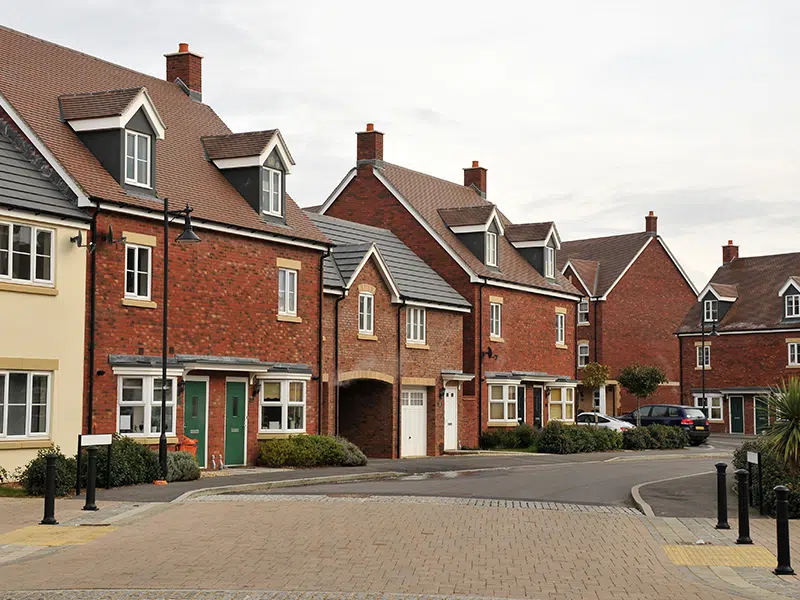
Cheltenham’s rental market has stayed remarkably resilient over the past year, and landlords and tenants alike are asking the same question: what’s behind it? Between shifting renter priorities, a major regeneration project on the town’s edge, and fresh legislation reshaping the private rented sector, there’s rather a lot going on beneath the surface. Understanding these drivers matters whether you’re a landlord weighing up a purchase or a tenant trying to make sense of rising costs.
If you’re trying to get a proper read on what’s happening locally, it’s worth speaking to estate and letting agents in Cheltenham, since national trends only tell part of the story the specifics of demand vary considerably street by street and postcode by postcode.
Rents are still climbing, just not dramatically
According to official data, the average monthly private rent in Cheltenham reached £1,259 in July 2026, up from £1,208 the previous year — a rise of 4.3%. That’s a steady increase rather than an explosive one, and it broadly tracks what’s happening across the wider region, where average South West rents rose from £1,184 to £1,236 over the same period. It suggests Cheltenham isn’t experiencing runaway demand so much as consistent, sustained interest from renters who see genuine long-term value in the town.
The Golden Valley development is reshaping expectations
One of the biggest stories locally is the £1 billion Golden Valley development, a cyber and tech quarter being built beside GCHQ that’s set to add over 1,000 new homes alongside more than a million square feet of commercial space. With its first phase securing Reserved Matters planning approval in April 2026, construction is now moving from paper to reality. Projects of this scale tend to pull in skilled workers well before the buildings themselves are finished, and that anticipation alone is enough to keep rental demand elevated on the western side of town.
Energy efficiency has become a genuine deciding factor
Tenant priorities have shifted noticeably, and Cheltenham is no exception. Rental demand in the town remains high, particularly for energy-efficient homes and modern apartments within walking distance of the town centre or Cheltenham Spa station. With energy bills still weighing heavily on household budgets, properties with decent insulation and double glazing are proving far more attractive than older, draughtier alternatives, even when the difference in rent is minimal. Landlords who’ve invested in efficiency upgrades are finding it easier to fill void periods as a result.
New legislation is changing how landlords operate
Perhaps the biggest structural shift affecting the market isn’t local at all, but national. The Renters’ Rights Act 2025 received Royal Assent on 27 October 2025, and its main provisions take effect from 1 May 2026, representing the most significant overhaul of England’s private rented sector in nearly 40 years. That kind of change inevitably filters down to local markets like Cheltenham’s, influencing everything from how tenancies are structured to how confident landlords feel about staying in the sector. Anyone renting out a property here would do well to understand exactly what’s changed before assuming their existing approach still applies.
Some landlords are stepping back, which affects supply
It’s not all one-directional demand growth either. An estimated 93,000 buy-to-let landlords exited the UK rental market in 2025, representing 6% of all buy-to-let mortgage holders, a marked increase from previous years. Fewer landlords in the sector nationally tend to tighten supply, which in turn supports rents even in towns like Cheltenham that aren’t otherwise seeing dramatic demand spikes. It’s a reminder that rental demand isn’t just about how many people want to rent — it’s also about how many properties are available to them.
Commuters and remote workers are widening the tenant pool
Cheltenham continues to attract a broad mix of renters, from those commuting into Bristol, Oxford, London, or Birmingham to remote workers prioritising lifestyle and space without sacrificing connectivity. That diversity in the tenant base helps explain why demand has stayed consistent rather than being tied to a single industry or commuter route. A town that appeals to multiple types of renters tends to weather wider economic shifts more comfortably than one reliant on a single source of demand.
Yields remain steady, if unspectacular
For landlords weighing up whether Cheltenham still makes sense as an investment, the numbers are worth a look. The average gross rental yield in Cheltenham currently sits at around 4.6%, based on an average rent of £1,254 per month against an average property price of £329,183. That’s respectable without being exceptional, and it reflects Cheltenham’s position as a desirable place to live rather than a pure numbers-driven investment hotspot. Landlords weighing up how the Renters’ Rights Act affects their existing tenancies can find the government’s own summary of the changes on GOV.UK, which is worth reading before making any decisions.
Putting it all together
Rental demand in Cheltenham in 2026 isn’t being driven by any single factor, but rather a combination of steady wage-adjacent rent growth, a major regeneration project building anticipation, shifting tenant priorities around efficiency, and a national policy shift reshaping the landlord landscape. For tenants, that generally means continued competition for well-presented, efficient homes near the town centre. For landlords, it means the fundamentals remain sound, provided they’re prepared for a private rented sector that looks rather different from how it did even a year or two ago.
