

Harry Cole has become one of the most recognizable names in modern British political journalism. Known for his fast-moving reporting style, insider Westminster connections, and frequent television appearances, Cole represents a particular era of UK political media shaped by breaking news cycles, digital platforms, and intense political debate. From his work at The Sun to his TalkTV show Harry Cole Saves The West, his career intersects with several prominent journalists and commentators, including Fraser Nelson, Isabel Hardman, Pippa Crerar, and Sam Coates.
This article explores who Harry Cole is, his professional journey, the people connected to his reporting environment, and the key topics frequently searched online about him — including his work, personal life questions, and online presence.
Who Is Harry Cole?
Harry Cole is a British political journalist best known for covering Westminster politics and producing headline-driven political stories. He began his career in online political blogging and quickly gained attention for uncovering exclusive news within UK political circles. Over time, he transitioned into mainstream media roles, eventually becoming political editor at The Sun.
Cole’s reporting style is often described as energetic and scoop-focused, reflecting the pace of tabloid political journalism. He has covered elections, leadership challenges, policy debates, and scandals that shaped the UK political landscape. His ability to cultivate sources in Westminster helped him establish a reputation as a well-connected insider journalist.
Beyond print journalism, Cole has appeared on political panels, broadcast interviews, and digital video programs discussing current affairs in both the United Kingdom and the United States.
Harry Cole and The Sun
A major part of Harry Cole’s public identity comes from his role at The Sun newspaper. As political editor, he contributed to daily political coverage, exclusive stories, and opinion-driven reporting aimed at a mass readership. The Sun’s editorial style emphasizes accessibility and strong headlines, and Cole’s reporting approach reflects that format.
During his tenure, he covered high-profile political controversies, including debates over lockdown rules, internal party conflicts, and leadership struggles. His stories frequently gained widespread attention across British media, often prompting responses from politicians or other journalists.
Working at The Sun also placed Cole at the center of media debates about tabloid influence and political bias. Supporters argue that his reporting brings insider information to the public quickly, while critics sometimes question the tone or framing of certain stories. Regardless of perspective, his work has played a significant role in shaping modern political media conversations.
Harry Cole Saves The West and Broadcast Work
In addition to print journalism, Cole expanded into television with the TalkTV program Harry Cole Saves The West. The show focuses on political issues affecting Western democracies, including freedom of speech, international politics, and cultural debates.
The program features interviews with commentators, politicians, and media personalities, positioning Cole not only as a reporter but also as a presenter and commentator. This shift reflects a broader trend in political journalism where reporters increasingly combine traditional reporting with broadcast analysis and opinion segments.
The show has attracted both supporters and critics, illustrating how modern political media personalities often become part of the story themselves. Discussions around the program highlight debates about platforming controversial voices and the evolving role of journalists as hosts or commentators.
Fraser Nelson and the Spectator Circle
Fraser Nelson is frequently mentioned alongside Harry Cole due to overlapping professional networks within British political media. Nelson, known as a prominent conservative commentator and former editor of The Spectator magazine, has long influenced political debate through columns and television appearances.
While Nelson and Cole work in different publications, they share similar circles of Westminster journalism and commentary. The Spectator has historically served as a platform for many political writers who later move into mainstream newspapers or broadcast media. This connection helps explain why Cole’s work is sometimes discussed alongside Nelson’s commentary when analyzing right-leaning political journalism in the UK.
Isabel Hardman and Political Commentary
Isabel Hardman is another journalist often linked with the same media ecosystem. As a senior journalist and political commentator, Hardman provides analysis on policy decisions, parliamentary debates, and public opinion trends.
Hardman’s writing tends to focus on analytical political commentary rather than tabloid reporting, which creates an interesting contrast with Cole’s style. While Cole is associated with breaking news and exclusives, Hardman is known for deeper policy discussion and reflective opinion pieces. Their work together highlights the diversity within British political journalism, where different approaches coexist within overlapping professional networks.
Pippa Crerar: A Different Editorial Perspective
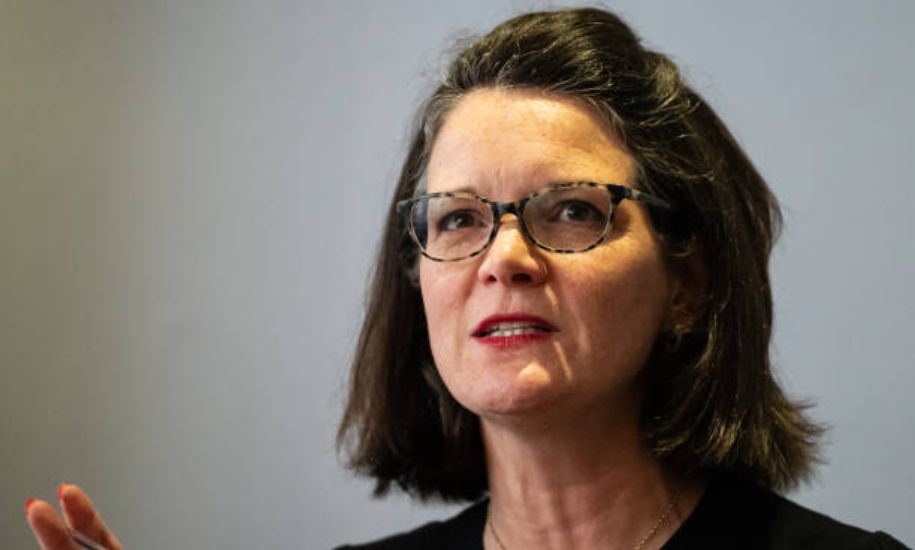
Pippa Crerar represents another important figure in UK political reporting but from a different editorial background. Known for investigative journalism and major political scoops, Crerar has worked at leading publications including The Guardian.
Comparisons between Crerar and Cole often arise because both have broken significant political stories, though their outlets and editorial tones differ. Crerar’s investigative style tends to emphasize accountability journalism, while Cole’s reporting is often framed within a tabloid news environment. The contrast between these journalists reflects the broader spectrum of political media voices in Britain.
Harry Cole and Sam Coates
Sam Coates, a political journalist and broadcaster, is frequently associated with Harry Cole through shared coverage of Westminster politics. Both journalists appear in discussions about political reporting due to their visibility across print and broadcast media.
Coates is known for analytical television coverage and live political commentary, while Cole’s reputation centers on breaking exclusives and insider news. Together, their work represents two complementary approaches to political journalism — one focused on analysis and the other on rapid news reporting.
Daniel Pearce and Jackson Hodges: Clarifying the Names
Some search trends include names like Daniel Pearce and Jackson Hodges in relation to Harry Cole. However, there is limited verified information connecting these individuals directly to Cole within mainstream UK political journalism. In many cases, such names may appear in online search results due to algorithmic associations rather than confirmed professional collaborations.
When writing about Harry Cole, it is important to rely on verified connections rather than speculative links. This helps maintain credibility and ensures readers receive accurate information about the journalist’s professional network.
Personal Life: Wife, Religion, and Public Image
Online searches frequently ask about Harry Cole’s wife, religion, or personal beliefs. However, publicly verified information about his private life remains limited. Cole has generally maintained a professional focus in public appearances, with few confirmed details about family life or religious views.
For readers and bloggers, it is important to avoid speculation and rely only on confirmed information. Modern journalism increasingly emphasizes respecting personal boundaries while discussing public figures, and Cole’s case illustrates how professional reputation often outweighs personal biography in media coverage.
Harry Cole on X (Twitter) and Digital Presence
Harry Cole maintains an active presence on social media platforms such as X (formerly Twitter), where he shares political updates, commentary, and breaking news. Social media plays a major role in modern political journalism, allowing reporters to engage directly with audiences and shape real-time conversations.
Cole’s posts often generate strong reactions, reflecting the polarized nature of political debate online. Supporters view his updates as fast access to insider information, while critics sometimes challenge his framing or tone. Regardless of opinion, his digital presence demonstrates how journalists increasingly operate as public personalities in addition to reporters.
Why “Harry Cole Football” Searches Appear
Another common search phrase is “Harry Cole football.” In most cases, this query refers to different individuals who share the same name rather than the political journalist. The overlap highlights a common issue in online search trends where unrelated professions become mixed due to shared names.
For bloggers and SEO writers, clarifying this distinction helps avoid confusion and ensures readers understand they are reading about the political journalist rather than a sports figure.
Harry Cole’s Role in Modern Political Media
Harry Cole’s career reflects the changing nature of political journalism in the digital age. Reporters are no longer limited to newspapers; they now appear on television, podcasts, and social platforms, often blending reporting with commentary.
His connections with figures such as Fraser Nelson, Isabel Hardman, Pippa Crerar, and Sam Coates demonstrate how UK political journalism operates within a network of writers, broadcasters, and commentators who frequently interact, debate, and respond to one another’s work.
Whether admired for his exclusives or criticized for his style, Cole remains an influential figure in contemporary media discussions. His career trajectory shows how journalists adapt to changing audiences and platforms while continuing to shape political narratives.
Final Thoughts
Harry Cole’s journey from online political blogging to mainstream journalism highlights the evolution of media in the digital era. His work at The Sun, his television appearances, and his interactions with fellow journalists have made him a significant voice within British political reporting. As audiences continue to follow political developments through multiple platforms, figures like Cole play a central role in shaping how news is presented and debated.
For readers interested in understanding the modern UK media landscape, examining Harry Cole alongside journalists such as Fraser Nelson, Isabel Hardman, Pippa Crerar, and Sam Coates offers valuable insight into how political journalism functions today. Articles like this aim to present a balanced overview of his career, connections, and public image while focusing on verified information rather than speculation.
At Wisto Blogs, we aim to explore influential media personalities and explain complex political journalism topics in a clear and accessible way. As debates around media influence continue, platforms like Wisto Blogs help readers stay informed about the journalists shaping public conversation.
