
Riding used to mean silence, hand signals, and shouting through a visor at the person next to you. That’s changed. A 2 way motorcycle intercom now lets riders talk to each other in real time, hands-free, at highway speed, without pulling over or guessing what a wave or a tap on the shoulder meant. For anyone who rides with a partner, a group, or just wants music and navigation piped straight into their helmet, this small piece of gear has become one of the most practical upgrades a rider can make.
Source: Moman
What a Two-Way System Actually Does
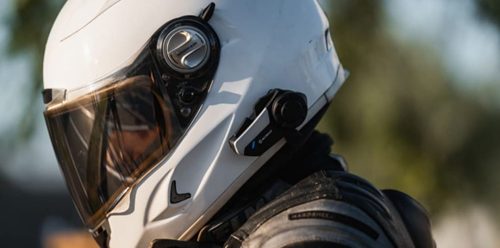
At its core, a 2 way motorcycle intercom is a small Bluetooth unit mounted on the side of a helmet. It picks up your voice through a built-in microphone and sends it wirelessly to a paired unit on another rider’s helmet, and vice versa. Unlike older one-way radios that required push-to-talk buttons and constant fiddling, modern two-way units keep the channel open, so conversation flows the way it would if you were sitting next to each other in a car.
This is different from basic motorcycle helmet intercom 2 way headset setups from a decade ago, which were bulky, prone to static, and limited to short range. Today’s devices are compact, weatherproof, and often rated for ranges well beyond a kilometer between riders, with some mesh-enabled systems extending that even further across a full group.
Why Riders Are Switching
The appeal of 2 way motorcycle communication isn’t just convenience, it’s safety. Being able to warn a riding partner about a pothole, a patch of gravel, or a car merging into your lane, without taking a hand off the bars or eyes off the road, matters more than most non-riders realize. A quick verbal heads-up can prevent the kind of last-second panic that leads to accidents.
There’s also the social side. Long rides can be isolating even with a group, since everyone is sealed inside their own helmet. A 2 way motorcycle helmet intercom turns a convoy of separate riders back into a group that can actually talk, laugh, plan fuel stops, or just comment on the scenery as it goes by. For couples who ride together, it’s often described as the single upgrade that changed how much they enjoy touring as a pair.
Beyond rider-to-rider chat, most units double as a full communication hub. They pair with a phone for calls and turn-by-turn navigation, stream music, and in many cases connect to a GPS unit or action camera. So while the primary function is conversation, the practical value stretches into nearly every part of the ride.
What to Look For
Not all two way communication devices for motorcycles are built the same, and a few features separate the good ones from the frustrating ones:
Range and rider capacity. Casual weekend riders might only need a unit that connects two helmets reliably. Club riders or larger touring groups benefit from mesh intercom technology, which allows multiple riders to stay connected without needing to be paired directly to each other.
Audio quality at speed. Wind noise is the biggest enemy of any intercom. Look for units with noise-cancelling microphones and speakers rated for open-face or full-face helmets, since sound quality drops fast above 60 mph without proper wind and noise filtering.
Battery life and weatherproofing. A ride that starts dry and ends in rain shouldn’t mean losing your intercom halfway through. IP-rated waterproofing and a battery that can comfortably outlast a full day of riding are worth prioritizing over flashy extras.
Ease of controls. Bulky, unresponsive buttons are a real problem when you’re wearing gloves. The best units use large, glove-friendly buttons or voice commands, so adjusting volume or answering a call doesn’t require pulling over.
Installation and Setup
Most modern intercoms clamp directly onto the side of a helmet without permanent modification, and pairing between two units is usually a matter of holding a button for a few seconds until both devices sync. Riders should always test the connection in a driveway or parking lot before heading out on a longer trip, checking mic clarity, volume levels, and range with a partner walking a short distance away.
If you’re outfitting an entire riding group, it’s worth checking that all units are cross-compatible. A dedicated motorcycle intercom is a reliable option here, offering the kind of consistent pairing and audio clarity that matters most when several riders are relying on the same connection during a long trip.
The Bottom Line
A two-way system won’t change how a bike handles or how fast it goes, but it changes how a ride feels. Conversations that used to wait until the next gas stop happen in real time. Warnings that used to be a hopeful hand signal become a clear spoken heads-up. For solo riders, it opens up hands-free calls and navigation without ever reaching for a phone. For groups, it turns a line of separate bikes into something closer to a shared experience.
Whether you’re commuting, touring cross-country, or leading a weekend group ride, a good intercom setup is one of the few upgrades that pays off on every single ride, not just the long ones. If you’re shopping for one, prioritize range, clear audio in wind, and reliable battery life over flashy extras, and you’ll end up with a system that just works, ride after ride.
