
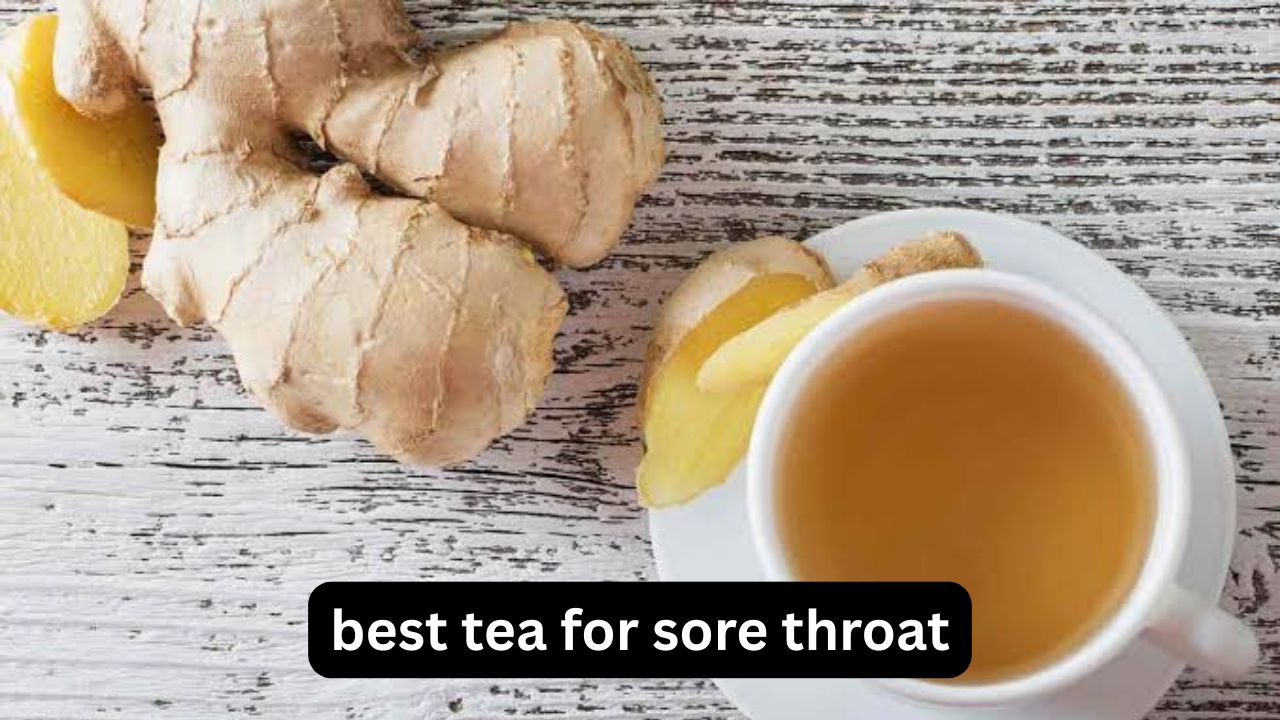
A sore throat can turn an ordinary day into a frustrating one. Swallowing hurts, your voice may sound rough, and if a cough, stuffy nose, or headache joins in, even getting through the night can feel difficult. When that happens, a warm cup of tea is often one of the simplest things to reach for.
But what is the best tea for a sore throat? There is no single tea that works for everyone. The better choice depends on what is causing the irritation and whether you are dealing with a dry cough, congestion, a cold, or simply a scratchy throat.
In general, warm, non-caffeinated drinks can soothe an irritated throat, while honey can be particularly useful when coughing is part of the problem.
This guide breaks down the most useful tea options, explains which combinations make sense for different symptoms, and covers an important question that is often overlooked: which teas are appropriate during pregnancy? It also explains when a sore throat is more than something to manage at home.
What Is the Best Tea for a Sore Throat?
For most adults, warm tea with honey is one of the most practical choices for sore-throat relief, particularly when a cough is also present. The benefit is not necessarily that the tea itself “cures” the infection. Warm fluids help keep the throat moist and can provide temporary comfort, while honey may help reduce coughing.
Good options include:
- Ginger tea with honey
- Chamomile tea with honey
- Peppermint tea
- Warm lemon and honey
- Caffeine-free herbal tea
- Plain warm tea if you simply want something soothing
The important distinction is between symptom relief and treatment. Tea can make you feel more comfortable, but it does not eliminate a viral cold or treat a bacterial infection such as strep throat.
Why Warm Tea Can Feel So Good
A sore throat often feels worse when the tissues become dry and irritated. Warm liquids provide moisture and can make swallowing more comfortable.
There is also a practical benefit when congestion is involved. Warm liquids may help loosen a stuffy feeling in the nose and throat, although they should not be viewed as a replacement for treatments specifically designed for significant nasal congestion.
One useful approach is to sip the drink slowly rather than drinking a very hot cup quickly. Comfortably warm is better than scalding hot, especially when the throat is already inflamed.
Best Tea for Sore Throat and Cough
If coughing is your main problem, the most useful combination may be warm tea plus honey.
Honey has been studied for cough relief and may reduce coughing and help with sleep, particularly in children older than 1 year and in people with upper-respiratory infections.
Ginger Tea With Honey
Ginger tea is a popular choice when a sore throat is accompanied by coughing, nausea, or a general “under the weather” feeling.
A simple preparation is:
- Slice a small amount of fresh ginger.
- Add it to hot water.
- Let it steep for several minutes.
- Allow the drink to cool slightly.
- Add honey to taste.
The honey is particularly relevant if coughing is keeping you awake.
Chamomile Tea With Honey
Chamomile is another caffeine-free option that many people prefer in the evening. Its biggest practical advantage is that it can be used as a warm, comforting bedtime drink without the caffeine found in ordinary black or green tea.
However, herbal teas are not automatically risk-free simply because they are natural. People who are pregnant, taking medication, or managing a medical condition should check whether a particular herb is appropriate for them.
A Simple Honey Tea
You do not necessarily need an elaborate herbal blend.
Warm water or caffeine-free tea with honey can be enough. Mayo Clinic specifically lists warm water with honey and tea among drinks that can soothe a sore throat.
Important: Never give honey to a child younger than 1 year because of the risk of infant botulism.
Best Tea for Sore Throat and Congestion
When a sore throat comes with a blocked or stuffy nose, choose a warm drink that is easy to sip and does not further irritate your throat.
Peppermint Tea
Peppermint tea is a common choice for people who want a refreshing drink while dealing with nasal stuffiness. Its warm liquid can be soothing, although it should not be confused with a proven medical decongestant.
If peppermint feels irritating or causes reflux symptoms, switch to a milder tea.
Ginger and Lemon Tea
Ginger with lemon is another practical combination. The warm liquid provides hydration and throat comfort, while the flavor can make it easier to drink fluids when you have little appetite.
One caution: lemon is acidic. If your throat feels raw or lemon makes the burning worse, leave it out. You do not need lemon for tea to be effective as a soothing drink.
This is an often-overlooked point: the “best” sore-throat drink is partly determined by what your throat tolerates. A theoretically appealing ingredient is not useful if it makes your symptoms feel worse.
Best Tea for a Sore Throat and Stuffy Nose
For a sore throat combined with a stuffy nose, focus on hydration and warmth rather than searching for a “detox” tea or miracle ingredient.
A good routine can be:
- Warm ginger or peppermint tea during the day
- Honey if coughing is present
- Plenty of plain water alongside tea
- Saline nasal spray or drops for nasal congestion
- A humidifier if the indoor air is dry
Warm liquids can soothe a sore throat and may help loosen a stuffy nose, while saline products can help keep nasal passages moist and loosen mucus.
A Useful Nighttime Combination
If congestion and coughing are interfering with sleep, a warm caffeine-free tea with honey before bed can be a reasonable comfort measure.
You can also improve the environment: dry indoor air may aggravate an already irritated throat, so adding moisture to the air can be helpful.
Best Tea for Sore Throat and Headache
A headache accompanying a sore throat commonly occurs during a cold or another respiratory infection, although headaches can have many causes.
Tea itself is not a headache treatment. The more useful goal is hydration and comfort.
Try:
- Warm ginger tea
- Caffeine-free herbal tea
- Warm water with honey
- Mild tea if caffeine normally agrees with you
If you normally consume caffeine every day, suddenly stopping it while you are sick can sometimes contribute to a caffeine-withdrawal headache. On the other hand, too much caffeine can interfere with hydration or sleep, so moderation makes sense.
For someone who has a sore throat, headache, and fever, it is also important to pay attention to the overall illness rather than relying entirely on tea.
What Tea Is Best During a Cold?
There is no tea that cures the common cold. Most uncomplicated colds improve on their own, commonly within about 7–10 days, although coughing can last longer.
Tea can still play a useful supporting role.
A practical cold-day routine might look like this:
Morning:
Warm ginger tea or another caffeine-free drink to start hydrating.
Afternoon:
Water, broth, or tea according to thirst.
Evening:
Caffeine-free tea with honey if coughing is troublesome.
Before bed:
A comfortably warm drink, humidified air if needed, and plenty of rest.
This approach is more realistic than drinking several cups of one “special” tea and expecting the illness to disappear.
Best Tea for Sore Throat During Pregnancy
Pregnancy requires extra caution with herbal products. Natural does not automatically mean pregnancy-safe.
The NHS advises limiting caffeine during pregnancy to no more than 200 mg per day and notes that there is limited research on many herbal teas. It advises keeping herbal tea consumption to no more than four cups a day and specifically recommends avoiding teas containing liquorice root.
The NHS also warns that herbal remedies are not necessarily safe during pregnancy and recommends discussing them with a healthcare professional.
Therefore, if you are pregnant and looking for the best tea for a sore throat:
- Avoid unfamiliar multi-herb blends.
- Check the ingredient label rather than relying only on the product name.
- Keep caffeine within pregnancy recommendations.
- Avoid liquorice-root tea.
- Ask your midwife, doctor, or pharmacist about herbal products if you are unsure.
This is especially important if you take prescription medication because some herbal products can interact with medicines.
How Much Honey Should You Add?
You do not need a large amount.
For adults, a small spoonful added to warm tea is a practical starting point. Honey may help calm coughing, and research suggests it can improve cough symptoms in people with upper-respiratory infections.
Avoid adding honey to boiling-hot tea and then drinking it immediately. Let the drink cool to a comfortable temperature first.
For children, honey should never be given to those younger than 1 year.
Tea Ingredients to Be Careful With
More ingredients do not necessarily mean a better sore-throat remedy.
Be cautious with:
Liquorice Root
Liquorice root appears in some herbal throat blends, but it is not a good choice during pregnancy. The NHS specifically advises avoiding herbal teas containing liquorice root during pregnancy.
Very Strong Herbal Blends
Products containing numerous herbs can make it difficult to know what you are actually consuming. This matters if you are pregnant, breastfeeding, taking medication, or have a medical condition.
Excessive Caffeine
Black and green tea contain caffeine. During pregnancy, caffeine intake should stay within the recommended 200 mg daily limit.
Very Hot Drinks
A drink does not need to be extremely hot to soothe your throat. If it burns going down, let it cool.
Common Mistakes People Make
Mistake 1: Treating Tea as a Cure
Tea can soothe symptoms, but it does not cure every cause of sore throat.
Mistake 2: Adding Too Much Lemon
Lemon can make a drink refreshing, but its acidity may sting an already irritated throat. If it hurts, skip it.
Mistake 3: Drinking Only Tea
Hydration matters more than choosing one “perfect” beverage. Water, broth, and other fluids count too.
Mistake 4: Assuming Every Herbal Tea Is Safe
Herbal products can have side effects and interactions. Pregnancy is a particularly important situation in which to check ingredients carefully.
Mistake 5: Ignoring Worsening Symptoms
If the illness is getting significantly worse, tea is no longer the main issue. Respiratory illnesses can occasionally lead to complications requiring medical attention.
A Practical Tea Guide by Symptom
| Your main symptom | A practical choice |
|---|---|
| Dry, irritated throat | Warm caffeine-free tea |
| Sore throat + cough | Tea with honey |
| Sore throat + congestion | Warm ginger or peppermint tea |
| Sore throat + cold | Warm tea, fluids and rest |
| Sore throat at bedtime | Caffeine-free tea with honey |
| Sore throat + headache | Warm, hydrating tea or water |
| Pregnancy | Check herbal ingredients and caffeine first |
| Very sensitive throat | Mild, non-acidic warm drink |
The goal is not to find the most exotic tea. The best tea is usually the one that feels soothing, keeps you hydrated, and does not aggravate your other symptoms.
When Should You See a Doctor?
A mild sore throat associated with a cold can often be managed at home with rest, fluids, and symptom relief. But some symptoms should not be ignored.
Seek medical care for concerning symptoms such as:
- Difficulty breathing
- Significant dehydration
- A fever lasting more than four days
- Symptoms lasting more than 10 days without improvement
- Symptoms that improve and then return or become worse
- Severe or unusual symptoms
The CDC recommends medical evaluation for respiratory illness when symptoms such as trouble breathing, dehydration, prolonged fever, or worsening after initial improvement occur.
Emergency respiratory warning signs in adults include difficulty breathing or shortness of breath, persistent chest or abdominal pressure or pain, severe weakness, confusion, or other serious symptoms.
FAQ
What is the best tea for a sore throat and cough?
Warm caffeine-free tea with honey is one of the simplest options. Warm liquids can soothe an irritated throat, while honey may help reduce coughing. Remember that honey should never be given to children younger than 1 year.
What is the best tea for a sore throat and congestion?
Ginger or peppermint tea can be a comforting choice when a sore throat occurs alongside congestion. The warmth and fluid can soothe the throat and may help loosen a stuffy feeling. For significant nasal congestion, saline nasal products can also be useful.
Is ginger tea good for a sore throat?
Ginger tea can be a pleasant, warming option when your throat feels irritated, particularly when combined with honey. However, it should be considered a comfort measure rather than a treatment that cures the underlying infection.
What is the best tea for a sore throat during pregnancy?
There is no single herbal tea that can be recommended universally during pregnancy. Caffeine intake should be limited, herbal teas should be consumed cautiously, and liquorice-root tea should be avoided. If you are unsure about a particular herbal blend, check with your doctor, midwife, or pharmacist.
Can tea actually get rid of a sore throat?
Tea can relieve discomfort, but it does not necessarily eliminate the cause of a sore throat. Viral infections generally need time to resolve, while bacterial infections may require medical evaluation and specific treatment. Think of tea as supportive care rather than a cure.
Is hot tea or cold tea better for a sore throat?
There is no universal winner. Warm liquids are commonly soothing, but some people find cold drinks or ice pops equally comforting. Choose the temperature that feels better to your throat and avoid anything hot enough to cause discomfort.
Final Takeaway
The best tea for a sore throat is usually not a complicated herbal formula. For many people, a comfortably warm, caffeine-free tea with honey is a practical starting point, especially when coughing is involved. Ginger or peppermint can provide variety when congestion accompanies the sore throat, while a simple warm drink may be all you need when the main problem is dryness and irritation.
The most useful strategy is to match the drink to your symptoms, stay hydrated, rest, and avoid ingredients that make your throat feel worse. If you are pregnant, taking medication, or dealing with persistent or severe symptoms, be more cautious with herbal remedies.
And remember the most important distinction: tea can make a sore throat easier to tolerate, but it cannot replace medical care when the underlying illness needs it.
