
Chicken fillets sound simple, but getting them right can be surprisingly tricky. One minute they are juicy and tender; the next, they are dry, rubbery, or still undercooked in the centre. The problem becomes even more confusing when you are choosing between fresh and frozen fillets, supermarket options, plant-based alternatives, or different cooking methods.
This guide explains how to cook chicken fillets safely while keeping them moist and flavorful. You will find practical methods for the air fryer, oven, and frying pan, plus guidance for frozen chicken fillets and popular supermarket-style products. We will also look at how Quorn chicken fillets differ from real chicken, why thickness matters more than cooking time alone, and how to tell when your chicken is genuinely done.
The goal is straightforward: fewer guesswork dinners and consistently better chicken. Whether you are preparing a quick weekday meal, batch-cooking lunches, or cooking chicken for a family dinner, these techniques make the process easier and more reliable.
What Are Chicken Fillets?
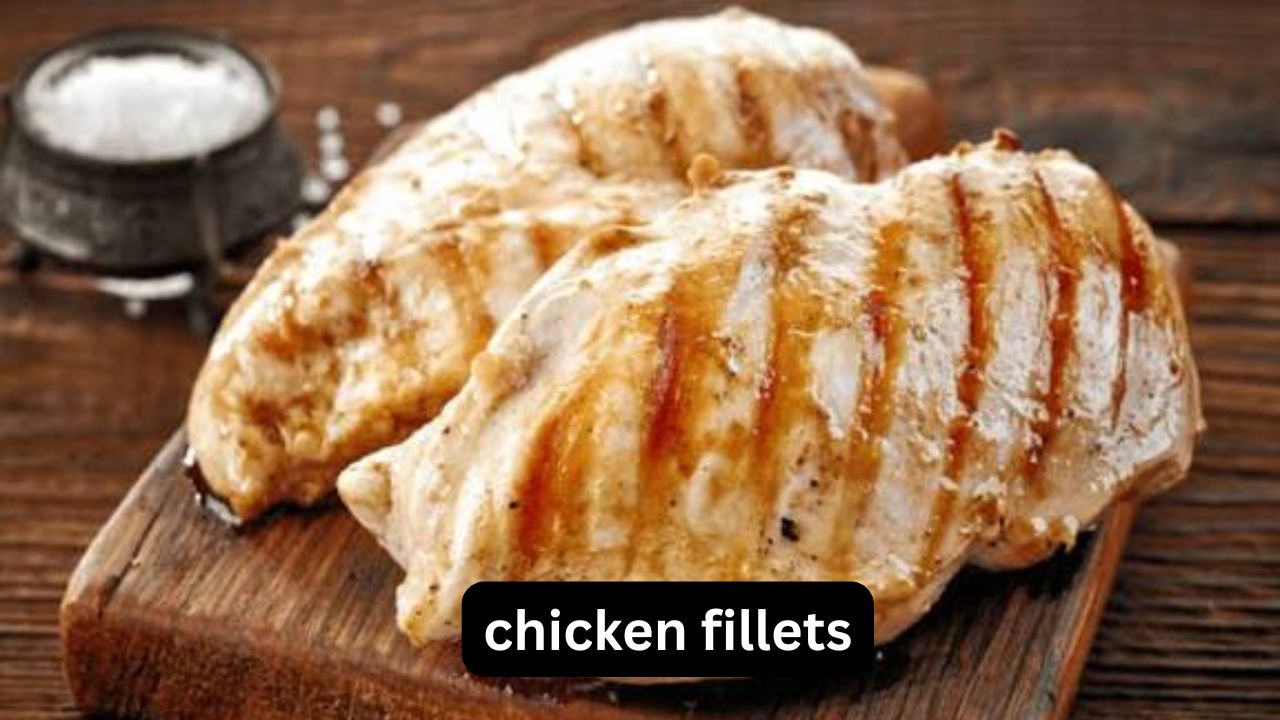
A chicken fillet is usually a boneless, skinless portion of chicken breast. Because there is no bone to slow down cooking, fillets are convenient and cook relatively quickly.
They are naturally lean, which is both their advantage and their main weakness. There is little fat to protect the meat from overcooking, so a few extra minutes can make a noticeable difference.
The most important factors are:
- Thickness: Thick fillets take considerably longer than thin ones.
- Starting temperature: Frozen chicken needs more cooking time than chilled chicken.
- Cooking method: Air fryers, ovens and pans transfer heat differently.
- Moisture: Marinades and short resting periods can improve texture.
- Internal temperature: Appearance alone is not a reliable safety test.
A useful rule is to think about the thickness of the thickest part, rather than relying blindly on a recipe’s stated cooking time.
How to Cook Chicken Fillets Safely
The safest approach is to cook chicken until the thickest part reaches 74°C (165°F) internally. A food thermometer is much more dependable than cutting the fillet open repeatedly to inspect the centre.
Insert the thermometer into the thickest section, avoiding the pan or tray underneath.
Once cooked, allow the fillet to rest for a few minutes before slicing. This gives the juices time to redistribute and can make the meat noticeably more pleasant to eat.
Why colour is not enough
Many people judge chicken by whether it has turned white inside. That can be misleading.
Chicken can change colour before it has reached a safe temperature, while slightly pink-looking meat is not automatically unsafe. Temperature gives you a much clearer answer.
Chicken Fillets in an Air Fryer
For busy weeknight cooking, an air fryer is one of the easiest ways to prepare chicken fillets. The circulating hot air browns the outside while cooking the centre relatively quickly.
For fresh, similarly sized fillets, a practical starting point is around 190°C (375°F). Cooking time varies with thickness, but many average-sized fillets take roughly 15–20 minutes, with turning halfway through.
A reliable air-fryer method
- Pat the chicken dry with kitchen paper.
- Lightly coat it with oil.
- Season with salt, pepper and your preferred spices.
- Preheat the air fryer if your model recommends it.
- Place the fillets in a single layer.
- Cook at about 190°C.
- Turn halfway through cooking.
- Check the thickest part with a thermometer.
- Rest for several minutes before serving.
Avoid packing the basket tightly. Air needs to circulate around the chicken, and overcrowding can lead to uneven cooking and less browning.
A useful air-fryer trick
If one end of a fillet is much thicker than the other, lightly flatten the thickest section with a meat mallet or rolling pin. You are not trying to make it paper-thin; the objective is simply to create a more even thickness.
This can be more effective than constantly adjusting cooking time because the thinner end otherwise tends to dry out before the thick centre is ready.
How to Cook Frozen Chicken Fillets
Frozen chicken fillets can be convenient when you need a quick meal, but they require extra attention.
You can cook some frozen chicken products directly from frozen if the packaging specifically gives instructions for doing so. However, raw frozen chicken needs enough time for the centre to reach a safe temperature.
For best results:
- Check the package instructions when available.
- Avoid assuming that a frozen fillet needs the same time as a fresh one.
- Do not rely only on the outside appearance.
- Check the thickest part with a thermometer.
- Leave space around individual pieces so heat can circulate.
Frozen fillets can release water while cooking. This may prevent proper browning, particularly in a crowded air fryer or frying pan.
Should you thaw chicken first?
Thawing in the refrigerator generally makes cooking more predictable because the fillet heats more evenly.
Never thaw raw chicken by simply leaving it sitting at room temperature for a long period. If you need to thaw it, use a food-safe method such as refrigerator thawing or another appropriate method recommended by food-safety guidance.
Cooking Chicken Fillets in the Oven
The oven is particularly useful when cooking several fillets at once.
Heat the oven to around 200°C (400°F), or approximately 180°C fan, depending on your oven and recipe. Season the chicken, place it on a baking tray and cook until the thickest portion reaches 74°C.
Cooking time depends heavily on size. Thin fillets may cook relatively quickly, while large, thick breasts can take considerably longer.
For particularly thick fillets, consider slicing them horizontally into thinner portions. This reduces cooking time and produces a more uniform result.
How to prevent dry oven-baked chicken
A common mistake is continuing to cook the chicken simply because the outside does not look sufficiently browned.
If you want more colour, use a hotter finishing temperature or a brief grill/broil step rather than significantly extending the overall cooking time.
A simple marinade can also help with flavour. Try:
- Olive oil
- Lemon juice
- Garlic
- Paprika
- Black pepper
- A small amount of salt
- Dried herbs
Do not assume that a marinade can compensate for overcooking, though. Temperature control remains the key.
Pan-Frying Chicken Fillets
A frying pan is ideal when you want a browned, flavourful exterior.
Start with a lightly oiled pan over medium heat. Season the chicken and place it into the hot pan. Cook until nicely browned, then turn it and continue cooking until the centre reaches 74°C.
For thick fillets, lowering the heat after browning can help the centre cook without burning the exterior.
One of the easiest mistakes is using high heat throughout. The outside can become dark while the centre remains undercooked.
The best pan-frying approach
Think of pan-frying as a two-stage process:
Stage 1: Build colour with moderate-to-medium-high heat.
Stage 2: Reduce the heat and allow the centre to finish cooking.
This is especially useful for large chicken breasts.
Roast Chicken Fillets for a Family Dinner
Roasted chicken fillets work well with vegetables, potatoes, rice, couscous or salad.
For a simple family meal, season the chicken generously and place it alongside vegetables that can tolerate the cooking temperature.
However, remember that vegetables and chicken do not necessarily cook at the same speed.
For example, potatoes may need much longer than chicken fillets. Start the potatoes first and add the chicken later rather than leaving the chicken in the oven for the entire cooking period.
This small adjustment can make a surprisingly big difference to tenderness.
Supermarket Chicken Fillets: Aldi, Iceland and Similar Options
Supermarket chicken fillets can differ considerably in size, thickness, preparation and whether they are fresh, frozen, seasoned or coated.
Products sold by retailers such as Aldi or Iceland should therefore be cooked according to their individual packaging instructions rather than according to a generic chicken-fillets recipe.
Pay attention to whether the product is:
- Raw or already cooked
- Fresh or frozen
- Plain or seasoned
- Breaded or unbreaded
- A whole breast fillet or shaped pieces
A breaded frozen chicken product, for example, behaves very differently from a raw fresh chicken breast.
Why package instructions matter
Cooking instructions are developed around the characteristics of a particular product. A generic recipe may tell you to cook chicken for 18 minutes, but your supermarket fillet could be substantially thicker or thinner.
Treat cooking time as a guide and internal temperature as your final check when appropriate.
Quorn Chicken Fillets: Are They the Same?
Quorn chicken-style fillets are plant-based meat alternatives, so they should not be treated exactly like raw chicken breast.
They are made using mycoprotein rather than chicken meat and are designed to provide a chicken-like eating experience.
The biggest practical difference is that you are not trying to cook raw poultry to the same internal safety target. Instead, follow the specific preparation instructions supplied with the Quorn product.
This is important because plant-based alternatives can have very different cooking requirements.
Quorn vs chicken fillets
| Feature | Chicken fillets | Quorn chicken-style fillets |
|---|---|---|
| Main ingredient | Chicken meat | Mycoprotein-based product |
| Cooking approach | Must be safely cooked | Follow product instructions |
| Texture | Fibrous poultry texture | Meat-free chicken-style texture |
| Fat content | Usually naturally lean | Depends on product |
| Frozen options | Common | Common |
| Air fryer suitability | Often excellent | Often suitable, depending on product |
If you are switching between the two, do not automatically copy the cooking time from one product to the other.
Why Chicken Fillets Sometimes Turn Out Rubbery
Rubbery chicken is usually not caused by a mysterious problem with the chicken itself. Cooking technique is often responsible.
1. Overcooking
This is the most common issue. Chicken breast contains relatively little fat, so prolonged cooking causes the proteins to tighten and squeeze out moisture.
2. Uneven thickness
A thick centre requires longer cooking, while the thin edges are already done.
3. Starting with an overcrowded pan
Too many pieces can lower the cooking surface temperature and cause the chicken to steam rather than brown.
4. Cutting immediately
Slicing straight into very hot chicken allows juices to escape onto the plate.
5. Using time instead of temperature
A recipe’s cooking time cannot account perfectly for every fillet’s size, starting temperature and appliance.
Three Less-Obvious Tips That Make a Difference
Flattening is about evenness, not tenderness
People often flatten chicken because they believe pounding automatically tenderizes it. The bigger practical benefit is often uniform thickness.
When the whole fillet is approximately the same thickness, the centre and edges finish at a similar time. That means fewer dry edges.
A short rest can be more valuable than another minute of cooking
If your chicken has already reached a safe internal temperature, adding extra cooking time just to make it “more done” usually works against tenderness.
Take it out, rest it and let residual heat finish the job.
Salt timing changes the result
Salting chicken shortly before cooking works perfectly well for a quick meal. But if you have time, seasoning it earlier can allow the salt to penetrate more deeply.
For a busy dinner, however, there is no need to turn seasoning into a complicated process. Consistent cooking temperature and avoiding overcooking matter far more.
Common Chicken Fillet Mistakes to Avoid
Here are the mistakes most likely to ruin an otherwise simple meal:
- Cooking by the clock alone: thickness varies too much.
- Overcrowding the air fryer: circulation suffers.
- Using maximum heat throughout: the exterior can burn before the centre cooks.
- Ignoring frozen-food instructions: frozen products vary significantly.
- Cutting chicken repeatedly to check it: this releases juices and still does not provide a precise safety measurement.
- Skipping the rest: a few minutes can improve texture.
- Treating plant-based fillets like poultry: different products have different requirements.
- Adding sauce too early: sugary or thick sauces can burn before the chicken finishes.
What Is the Best Way to Cook Chicken Fillets?
There is no single best method for every situation.
Choose an air fryer when you want speed, convenience and good browning with minimal oil.
Choose the oven when preparing several portions at once.
Choose a frying pan when you want strong browning and control over the cooking process.
Choose frozen cooking when convenience is the priority, provided the product is suitable for cooking from frozen and you follow its instructions.
For consistently juicy chicken, the most important combination is even thickness + appropriate heat + a reliable internal-temperature check + a short rest.
FAQ
How long do chicken fillets take in an air fryer?
Fresh chicken fillets often take around 15–20 minutes at approximately 190°C, but the actual time depends on their thickness and your air fryer. Turn them halfway through cooking and check the thickest portion rather than relying exclusively on the clock. Chicken should reach 74°C (165°F) internally for safe cooking.
Can you cook frozen chicken fillets in an air fryer?
Some frozen chicken fillets can be cooked directly in an air fryer, but the correct method depends on whether they are raw or pre-cooked and on the specific product. Always follow the package instructions when available. For raw poultry, verify that the thickest part reaches a safe internal temperature.
How do you keep chicken fillets moist when roasting?
Avoid cooking them significantly longer than necessary. Keeping the fillets relatively even in thickness, using moderate heat and removing them once they reach a safe internal temperature can help prevent dryness. Resting the chicken for a few minutes before slicing also improves the eating experience.
Are Quorn chicken fillets healthier than chicken fillets?
Neither is automatically healthier in every situation. Their nutritional profiles differ depending on the specific product, portion size and preparation method. Compare the nutrition information, especially protein, saturated fat, fibre and salt, if nutrition is an important consideration.
How do you know when chicken fillets are cooked?
The most reliable method is checking the internal temperature with a food thermometer. The thickest part should reach 74°C (165°F). Colour and texture can provide clues, but they are less reliable than a temperature measurement.
Conclusion
Chicken fillets are one of the easiest ingredients to build a meal around once you stop treating cooking time as an exact science. Thickness, starting temperature and cooking method all affect the final result.
For air-fryer chicken, leave space between the pieces and check the centre. For oven roasting, avoid leaving thin fillets cooking for the same length of time as thick ones. For frozen products from supermarkets, follow the product’s own instructions. And if you are using Quorn chicken-style fillets, remember that they are a different type of food and need to be prepared according to their packaging directions.
The biggest improvement usually comes from one simple habit: cook to the right temperature rather than simply cooking for longer. Combine that with even thickness and a short resting period, and tender, properly cooked chicken becomes much easier to achieve.
