
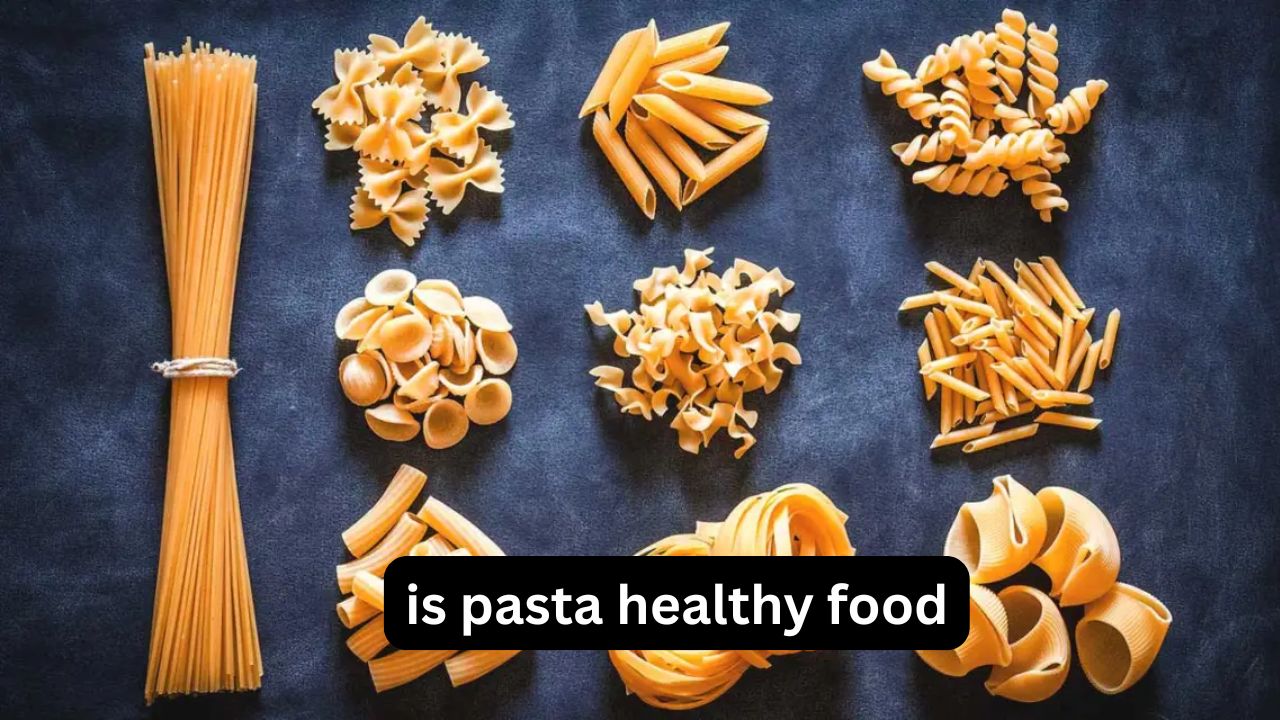
There’s a reason pasta gets confusing when people talk about healthy eating. One person says it is an easy, nutritious meal; another says pasta is nothing more than refined carbohydrates that should be avoided. The reality is much more practical: is pasta healthy depends largely on the type of pasta, portion size, what you put with it, and how often you eat it.
Pasta can absolutely fit into a balanced diet. It provides carbohydrates for energy, and some varieties contain meaningful amounts of fiber, protein, vitamins, and minerals. The bigger issue is that a large bowl of refined pasta covered in a heavy sauce can be very different nutritionally from a moderate serving of whole-wheat pasta combined with vegetables, beans, fish, or lean meat.
This guide breaks down what pasta actually offers, whether it can support weight management, which types are worth choosing, and how to turn an ordinary pasta dish into a more balanced meal. You’ll also learn a few less-obvious details about pasta preparation and portioning that can make a meaningful difference.
So, Is Pasta Healthy?
Yes, pasta can be a healthy food when eaten in appropriate portions and combined with nutritious ingredients. Whole-grain pasta is generally a better everyday choice than refined pasta because it provides more fiber and nutrients, but regular pasta can also be part of a healthy diet.
Pasta itself isn’t automatically “healthy” or “unhealthy.” Think of it as one component of a meal.
For example:
- Pasta + vegetables + lentils = a fiber-rich, filling meal
- Pasta + tomato sauce + grilled chicken = balanced and protein-rich
- Pasta + olive oil + vegetables + beans = another nutritious combination
- A very large serving of pasta + creamy sauce + processed meat = considerably higher in calories and saturated fat
This distinction matters because people often judge pasta based on the entire dish rather than the pasta itself.
What Nutrients Does Pasta Provide?
Traditional pasta is primarily a source of carbohydrates. Your body breaks carbohydrates down into glucose, which can be used as fuel, particularly for the brain and muscles.
A typical serving of cooked pasta can also contribute:
- Carbohydrates
- Protein
- Small amounts of fat
- Iron
- B vitamins
- Selenium
- Manganese, depending on the variety
- Fiber, particularly in whole-grain pasta
The nutritional profile changes considerably depending on the ingredients used to make the pasta.
Regular Pasta vs. Whole-Wheat Pasta
The simplest comparison is between refined pasta and whole-grain pasta.
Regular pasta is usually made from refined wheat flour, which has had some components of the grain removed during processing.
Whole-wheat pasta retains more of the grain, including the bran and germ. As a result, it generally contains more fiber and some additional micronutrients.
That extra fiber can be useful because it supports digestive health and can help you feel satisfied after eating.
However, whole-wheat pasta isn’t automatically dramatically lower in calories. Its main advantage is its nutritional profile, especially its higher fiber content.
Can Pasta Be Part of a Weight-Loss Diet?
Yes. You don’t necessarily need to eliminate pasta to lose weight.
Weight management is influenced by overall energy intake, activity, food quality, appetite, sleep, and numerous other factors. A food containing carbohydrates doesn’t automatically prevent fat loss.
In fact, pasta can be useful for people trying to eat more consistently because it can form the carbohydrate portion of a satisfying meal.
The challenge is portion creep.
Dry pasta is relatively compact. Once cooked, it absorbs water and becomes much larger, making it easy to underestimate how much you’re actually eating.
A Better Way to Build a Pasta Meal
Instead of making pasta the entire meal, try treating it as one part of the plate.
A practical structure is:
- Pasta: a moderate portion
- Protein: chicken, fish, eggs, tofu, lentils, beans, or another protein source
- Vegetables: a generous portion
- Healthy fat: olive oil, nuts, seeds, or a modest amount of cheese
- Sauce: enough to add flavor without turning the dish into a calorie-heavy meal
This approach usually makes pasta more filling without requiring you to ban it.
Does Whole-Grain Pasta Have an Advantage?
For many people, yes.
The additional fiber in whole-grain pasta can slow digestion and contribute to better fullness. Fiber is also important for normal bowel function and overall dietary quality.
Another advantage is behavioral rather than nutritional: a more filling pasta meal may make it easier to avoid immediately reaching for snacks afterward.
That said, you don’t have to switch every pasta dish to whole wheat overnight.
If you dislike the texture, try mixing half whole-wheat pasta with half regular pasta. You can gradually increase the whole-grain portion as you get used to it.
What About Protein Pasta?
Protein-enriched pasta has become increasingly popular, particularly among people who exercise or struggle to get enough protein.
Depending on the product, protein pasta may be made partly from ingredients such as legumes or have added plant proteins.
It can be useful when:
- You need a convenient protein source
- You exercise regularly
- You want a more filling pasta meal
- You don’t eat much meat
- You are trying to increase your overall protein intake
But don’t assume “high protein” automatically means healthier.
Check the nutrition label. Some products may contain substantially more protein and fiber, while others may simply have a marketing advantage with little practical difference in the overall meal.
Is Pasta Bad for Blood Sugar?
This is another area where context matters.
Pasta contains carbohydrates, so it can raise blood glucose. However, the response can vary depending on the type of pasta, portion size, cooking method, and what you eat alongside it.
A large bowl of pasta eaten by itself is very different from a moderate serving combined with vegetables, protein, and other fiber-rich foods.
Does Cooking Pasta Differently Matter?
Here’s a less commonly discussed point: pasta texture can affect how quickly it is digested.
Pasta cooked until just tender—often described as al dente—has a firmer structure than pasta cooked until very soft. The practical takeaway isn’t that everyone must eat pasta al dente, but that cooking pasta until extremely soft isn’t necessary for most people.
Another interesting detail is what happens when cooked pasta is cooled.
When some starchy foods are cooked and then cooled, part of their starch can become resistant starch. Resistant starch behaves somewhat differently from rapidly digested starch and can reach the large intestine, where gut bacteria can ferment it.
This doesn’t transform leftover pasta into a “superfood,” but it is one reason the nutritional story of pasta is more nuanced than simply calling it a refined carbohydrate.
Is Cold Pasta Healthier Than Hot Pasta?
Not necessarily, but cooling cooked pasta can change some of its starch characteristics.
When pasta cools after cooking, some starch can undergo a process called retrogradation, which can increase the amount of resistant starch.
One small practical lesson is that leftover pasta doesn’t have to be viewed as nutritionally inferior simply because it has been refrigerated.
However, food safety still matters. Cooked pasta should be cooled and refrigerated promptly rather than being left at room temperature for extended periods.
And reheating it doesn’t necessarily erase all the changes that occurred during cooling.
What Pasta Sauce Is Healthiest?
Often, the sauce matters more than people realize.
A basic tomato-based sauce can be a relatively simple way to add vegetables and flavor without dramatically increasing the calorie density of the meal.
Good everyday choices can include:
- Tomato and vegetable sauces
- Homemade vegetable sauces
- Olive-oil-based sauces used moderately
- Pesto in sensible portions
- Bean-based sauces
- Sauces containing lean protein and vegetables
Cream-based sauces can still be enjoyed, but they’re generally easier to overeat because they can contain substantial amounts of fat and calories.
The goal isn’t to label one sauce “bad.” It’s to understand what the sauce contributes to the overall meal.
Can Pasta Be Healthy for Children?
Pasta can be a useful food for children because it is familiar, versatile, and provides carbohydrates for energy.
The bigger opportunity is what you serve alongside it.
Instead of serving a large bowl of plain pasta, you can gradually introduce:
- Peas
- Carrots
- Tomatoes
- Spinach
- Beans
- Lentils
- Chicken
- Fish
- Eggs
- Cheese in moderate amounts
For picky eaters, there’s no need to transform the meal overnight. Adding one familiar vegetable or protein alongside a food they already enjoy can be a more realistic approach.
Is Pasta Healthy for Athletes?
Pasta can be particularly useful for active people because carbohydrates are an important fuel source for exercise.
Athletes and endurance exercisers sometimes deliberately increase carbohydrate intake before demanding training or competition.
But portion and timing matter.
A recreational walker doesn’t necessarily need the same amount of pasta as someone preparing for a long-distance endurance event.
For an active person, a pasta meal containing carbohydrates plus an appropriate protein source can work well after training, particularly when overall food intake needs to support recovery.
Common Mistakes That Make Pasta Meals Less Balanced
Pasta itself is rarely the only issue. These common habits can change the nutritional quality of the meal considerably.
1. Serving Too Much Pasta
A huge bowl can contain far more calories than expected.
Try starting with a moderate serving and adding vegetables and protein rather than automatically adding more pasta.
2. Ignoring Protein
Plain pasta may leave some people hungry relatively quickly.
Adding chicken, tuna, beans, lentils, tofu, eggs, or another protein source can make the meal considerably more satisfying.
3. Treating Sauce as Unlimited
A few spoonfuls of sauce can be very different from pouring a large amount over the entire bowl.
Cream, cheese, butter, and oil can increase calories quickly.
4. Forgetting Vegetables
Pasta becomes an easy vehicle for vegetables.
Mushrooms, peppers, spinach, zucchini, broccoli, tomatoes, peas, and onions can all work well.
5. Assuming Gluten-Free Means Healthier
Gluten-free pasta isn’t automatically healthier than ordinary pasta.
Some gluten-free products are nutritious, while others may be relatively low in fiber and protein. If you don’t need to avoid gluten, there’s generally no nutritional requirement to choose gluten-free pasta.
A Simple Healthy Pasta Formula
If you don’t want to calculate calories every time you cook, use this simple formula:
Moderate pasta + substantial vegetables + protein + sensible sauce = a more balanced pasta meal.
For example, imagine you’re making dinner after a busy workday.
Instead of:
Huge bowl of pasta + lots of creamy sauce
Try:
Moderate serving of pasta + grilled chicken + roasted vegetables + tomato sauce + small amount of olive oil or Parmesan
You haven’t eliminated pasta. You’ve simply improved the structure of the meal.
What Is the Healthiest Type of Pasta?
There isn’t one universally “healthiest” pasta for everyone.
A useful hierarchy is:
| Pasta type | Potential advantage |
|---|---|
| Whole-wheat pasta | More fiber and whole-grain nutrition |
| Legume pasta | Often higher in protein and fiber |
| Protein-enriched pasta | Convenient way to increase protein |
| Regular semolina pasta | Simple carbohydrate source that can fit a balanced diet |
| Gluten-free pasta | Useful when gluten avoidance is necessary |
The best choice is one you’ll actually enjoy eating as part of a balanced diet.
A theoretically excellent food that you hate and never eat isn’t very useful in real life.
Three Overlooked Insights About Pasta
Pasta Isn’t Just About Its Ingredient List
Two meals containing the exact same amount of pasta can have very different effects on hunger and overall nutrition depending on what accompanies them.
Adding protein, vegetables, and fiber-rich ingredients changes the meal’s overall structure—not just its calorie count.
Portion Size Is More Important Than Pasta Fear
Many people spend more time worrying about whether pasta is “bad” than considering how much they eat.
A moderate portion of pasta can easily fit into a healthy diet, while excessive portions of almost any calorie-dense food can become problematic.
Your Overall Eating Pattern Matters More
Eating pasta occasionally doesn’t determine whether your diet is healthy.
What matters much more is the pattern across days and weeks: how many vegetables and fruits you eat, the quality of your protein sources, your fiber intake, physical activity, and how often highly processed or energy-dense foods dominate your meals.
When Should You Limit Pasta?
Pasta may need to be limited or modified if you have a medical reason to restrict certain foods or nutrients.
For example, people with conditions requiring specific carbohydrate management may need individualized advice about portions and meal composition.
Someone with celiac disease also needs to avoid gluten-containing wheat pasta and use appropriate gluten-free alternatives.
If you have a medical condition affecting your diet, it’s better to follow individualized advice from a qualified healthcare professional rather than relying on a general “healthy foods” list.
Healthy Pasta Ideas for Everyday Meals
Here are a few combinations that are easy to adapt.
Mediterranean-Style Pasta
Combine pasta with:
- Tomatoes
- Spinach
- Chickpeas
- Olives
- Herbs
- A modest amount of olive oil
You get carbohydrates, plant protein, fiber, vegetables, and healthy fats in one meal.
Chicken and Vegetable Pasta
Use whole-wheat or regular pasta with:
- Grilled chicken
- Broccoli
- Bell peppers
- Tomatoes
- Garlic
- Tomato-based sauce
This is particularly practical for a filling lunch or dinner.
Lentil Pasta Bowl
Try legume-based pasta with roasted vegetables and a simple tomato sauce.
It’s an easy option when you want more plant-based protein and fiber without building an elaborate meal.
FAQ
Is pasta healthy to eat every day?
Pasta can be eaten regularly as part of a balanced diet, but variety is still important. Choose reasonable portions and rotate pasta with other carbohydrate sources such as potatoes, rice, oats, whole grains, and legumes. The rest of the meal should provide vegetables, protein, and other nutrient-rich foods.
Is pasta good for weight loss?
Pasta can fit into a weight-loss diet when portions are appropriate and the overall diet supports your energy needs. Choosing whole-grain or higher-fiber pasta and adding protein and vegetables may help you feel fuller. The total meal and overall eating pattern matter more than simply avoiding pasta.
Is whole-wheat pasta healthier than regular pasta?
Generally, whole-wheat pasta provides more fiber and retains more components of the whole grain. That can make it a nutritious everyday choice, particularly for people who don’t get enough fiber. However, regular pasta can also be part of a healthy diet.
Is pasta healthier than rice?
Neither is automatically healthier. Their nutritional value depends on the specific variety, portion size, preparation method, and what you eat with them. Whole-grain pasta and minimally processed rice varieties can both contribute to a balanced diet.
Does pasta make you gain weight?
Pasta doesn’t inherently cause weight gain. Eating more energy than your body uses over time can contribute to weight gain, regardless of whether those calories come from pasta or another food. Large portions and calorie-heavy sauces can make a pasta meal much more energy-dense than expected.
What is the healthiest way to eat pasta?
A practical approach is to use a moderate portion of pasta, add plenty of vegetables, include a protein source, and choose a sauce that fits your nutritional needs. Whole-grain or legume-based pasta can provide additional fiber and protein. You also don’t need to completely eliminate cheese, oil, or other flavorful ingredients—moderation is the key.
Conclusion
So, is pasta healthy? It can be.
Pasta isn’t a food that needs to be feared or placed into an all-or-nothing category. Regular pasta can provide useful carbohydrates, while whole-grain and legume-based varieties can add more fiber and protein.
The most useful change isn’t necessarily switching to a special pasta. It’s learning how to build a better pasta meal.
Keep the pasta portion reasonable, add vegetables, include a meaningful source of protein, and pay attention to calorie-dense sauces and toppings. If you enjoy whole-wheat pasta, use it more often; if you prefer regular pasta, there’s still plenty of room for it in a balanced diet.
Ultimately, the healthiest pasta dish is one that fits your nutritional needs, tastes good enough to enjoy, and works within your overall eating pattern.
