
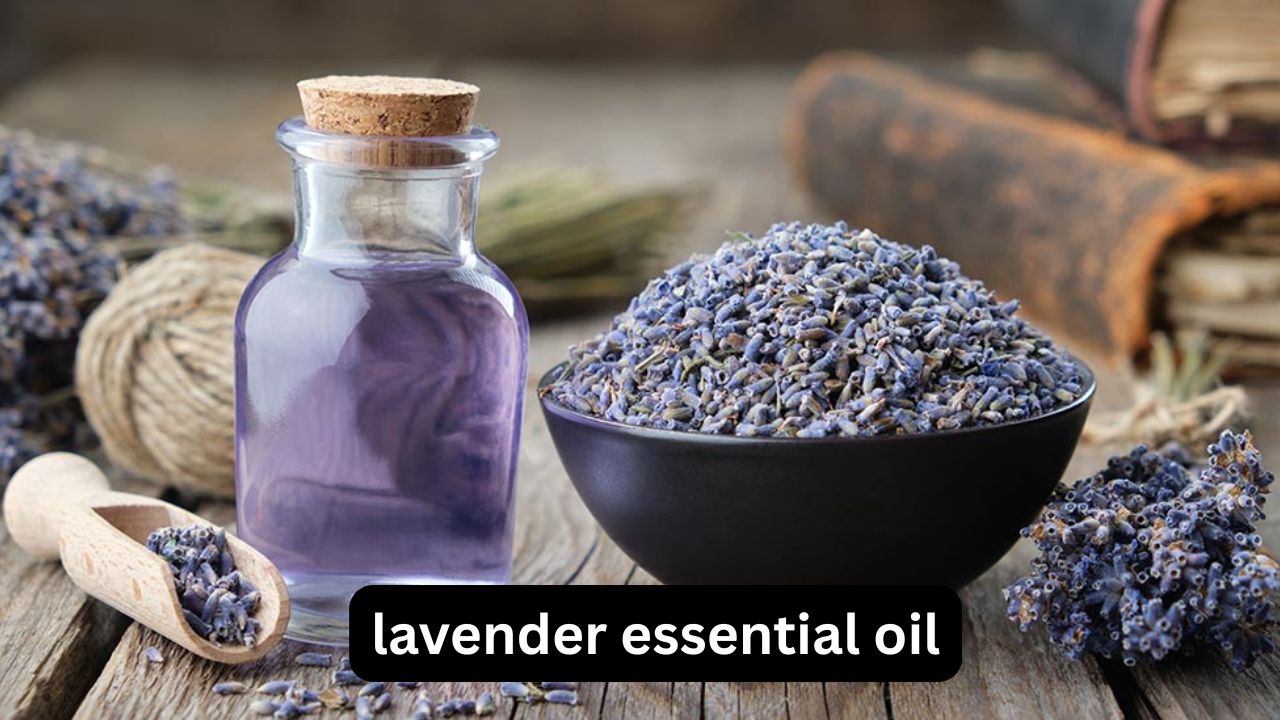
You may have a small bottle of lavender essential oil sitting in a drawer because you bought it for better sleep, calmer evenings, healthier skin, or a more relaxing home. Then the questions start: How much should you actually use? Can lavender essential oil go directly on the skin? Does it really help hair growth? And what about using a diffuser around children, dogs, cats, or during pregnancy?
Lavender essential oil is popular for good reason, but it is also easy to misuse. It is a highly concentrated plant extract, not simply “lavender in liquid form.” The best results usually come from using a small amount in an appropriate way rather than assuming more oil means more benefit.
This guide explains the practical uses of lavender essential oil, what research says about sleep and hair, how to choose a quality bottle, how to use a diffuser safely, and when extra caution is needed. It also clears up some common misunderstandings about pure, organic, homemade, and pet-safe lavender oil.
What Is Lavender Essential Oil?
Lavender essential oil is a concentrated aromatic extract made from lavender plants, commonly including Lavandula angustifolia. The oil contains naturally occurring compounds such as linalool and linalyl acetate that contribute to its characteristic floral scent.
Unlike lavender-infused carrier oil, essential oil is extremely concentrated. A few drops can provide a strong aroma, which is why it is normally diluted for topical use.
This distinction matters when shopping. A bottle labelled “lavender oil” could contain:
- Pure lavender essential oil
- Lavender-infused carrier oil
- A fragrance oil
- A diluted essential-oil blend
- A cosmetic product containing lavender extract
These products are not interchangeable.
Lavender Essential Oil Benefits: What Does It Actually Do?
Lavender is most commonly used for relaxation, aromatherapy, skin care, and sleep routines. However, it is better to think of its benefits as supportive rather than as a cure for medical conditions.
1. It may support relaxation and sleep
Lavender is particularly well known as a bedtime scent. Research has found promising evidence that inhaled lavender can improve aspects of sleep quality in adults. A 2026 systematic review and meta-analysis of 11 randomized controlled trials involving 628 adults found a statistically significant improvement in sleep quality, although the researchers also noted limitations in the available studies.
That does not mean lavender essential oil works like a sleeping pill.
A more realistic expectation is that the scent may help create a relaxing environment, particularly when combined with a consistent bedtime routine.
For example, someone who normally scrolls on their phone until midnight might benefit more from using lavender as part of a routine that includes dimmer lighting, less screen exposure, and a regular bedtime than from simply adding several drops of oil to a diffuser.
2. It can make a room smell calmer
Lavender’s aroma is one reason it is frequently used in diffusers, bedrooms, relaxation spaces, massage products, and bath products.
The effect is partly personal. Some people find lavender soothing, while others find strong floral scents unpleasant or headache-inducing.
Start with a subtle scent rather than trying to make the entire room smell intensely of lavender.
3. It may be useful in a skincare routine
Lavender essential oil is sometimes included in products designed for oily or blemish-prone skin because of its antimicrobial and soothing properties.
However, pure essential oil should not automatically be treated as a facial serum.
Applying undiluted oil can cause irritation or sensitization, particularly on sensitive skin. A properly formulated skincare product is often easier and safer to use than attempting to create a highly concentrated mixture yourself.
4. It may complement scalp care
Lavender essential oil is frequently promoted as a natural hair-growth treatment. The evidence is much less convincing than social-media claims suggest.
Recent research continues to investigate lavender-containing formulations and hair growth, including studies involving combinations of lavender and other oils. However, this does not establish that rubbing pure lavender essential oil onto the scalp will reliably regrow hair.
If your concern is significant hair loss, sudden thinning, bald patches, or persistent shedding, identifying the underlying cause is more useful than relying on essential oil alone.
Lavender Essential Oil for Sleeping: How to Use It
If your main goal is sleep, keep the approach simple.
A diffuser can be used before bedtime according to the diffuser manufacturer’s instructions. Alternatively, a properly diluted lavender preparation can be used in an appropriate personal aromatherapy product.
A practical routine might look like this:
- Begin your wind-down routine 30–60 minutes before bed.
- Keep the room comfortable and relatively quiet.
- Use a light lavender aroma rather than an overpowering concentration.
- Stop using it if you develop headache, nausea, coughing, or irritation.
- Treat lavender as part of your sleep routine rather than as a treatment for chronic insomnia.
Research on lavender and sleep is encouraging, but it is not a replacement for medical evaluation when sleep problems are severe or persistent.
A useful insight: scent can become associated with a particular routine. Using the same gentle lavender scent only during your wind-down period may make it function as a familiar environmental cue for relaxation, rather than simply relying on the chemical properties of the oil.
Lavender Essential Oil Diffuser: How to Use One Properly
An essential-oil diffuser disperses aromatic compounds into the surrounding air. Different diffuser designs use different amounts of oil, so the manufacturer’s instructions should take priority.
Avoid the common mistake of thinking that adding more drops produces a better result.
An overly strong aroma can cause:
- Headache
- Nausea
- Throat or nose irritation
- Coughing
- An unpleasantly overpowering room scent
Clean the diffuser regularly as recommended by its manufacturer. Old oil residue and standing water can create their own hygiene problems.
A diffuser should also be positioned where it cannot easily be knocked over.
Diffuser vs direct skin use
These are two different applications.
Diffuser: primarily provides an airborne aroma.
Topical use: places a concentrated substance directly on the skin and therefore requires appropriate dilution.
Do not assume that an oil safe to smell is automatically safe to apply undiluted to your skin.
Is Lavender Essential Oil Safe for Dogs?
This question deserves more caution than many online articles suggest.
The ASPCA lists lavender as toxic to dogs, cats, and horses, identifying compounds including linalool and linalyl acetate. Reported signs can include nausea, vomiting, and loss of appetite.
Essential oils are particularly concentrated. Dogs can also come into contact with oil by walking through a spill, licking a contaminated surface, or getting oil on their coat.
For that reason:
- Never deliberately apply lavender essential oil to your dog.
- Keep bottles securely out of reach.
- Clean up spills immediately.
- Do not allow a pet to lick an oil-covered surface.
- Ask your veterinarian before using essential-oil products around a pet with respiratory problems.
Diffuser use is more complicated than simply calling it “safe” or “unsafe.” The ASPCA notes that short-term diffuser use in a secured area that pets cannot access may not cause problems for many animals, but pets with breathing difficulties require additional caution.
Is Lavender Essential Oil Safe for Cats?
Cats deserve particular caution around essential oils.
Cats can be sensitive to concentrated essential oils, and exposure can occur through inhalation, ingestion, or contact with contaminated fur. The ASPCA advises caution with essential oils around pets and notes that cats can experience significant problems from certain exposures.
If you have cats in the home, the safest practical approach is to avoid deliberately exposing them to concentrated lavender oil.
Never put lavender essential oil directly onto a cat’s fur, paws, or skin.
If a cat has been exposed to concentrated oil or develops unusual symptoms after exposure, contact a veterinarian promptly.
Lavender Essential Oil When Pregnant: Is It Safe?
Pregnancy changes the safety equation.
“Natural” does not automatically mean safe during pregnancy. The NHS advises pregnant people to discuss aromatherapy and other complementary therapies with a qualified practitioner or healthcare professional.
Some research has investigated lavender aromatherapy during pregnancy. A systematic review found potentially positive effects on stress, anxiety, and sleep, but only six studies involving 413 participants met its criteria, and the researchers emphasized that stronger evidence is still needed.
Therefore, pregnancy is not the time to experiment with concentrated essential oils, oral essential oils, or homemade high-strength preparations.
If you are pregnant, especially during early pregnancy or if you have a complicated pregnancy, ask your midwife, doctor, or qualified healthcare professional before using lavender essential oil.
Lavender Essential Oil for Skin: How to Use It More Safely
One of the biggest mistakes with essential oils is applying them directly to the skin.
Instead, lavender essential oil is generally used diluted in a suitable carrier oil or incorporated into a properly formulated cosmetic product.
A basic topical routine should include:
- Use a small amount of properly diluted oil.
- Avoid the eyes and mucous membranes.
- Patch-test before wider application.
- Stop if burning, swelling, itching, or a rash develops.
- Keep the product away from broken or severely irritated skin.
Do not use the absence of an immediate reaction as proof that unlimited use is safe. Essential-oil sensitivity can develop after repeated exposure.
Another overlooked insight: the age of an essential oil matters. Exposure to air, heat, and light can change an oil’s chemical profile over time, potentially increasing the chance of irritation. Keeping the bottle tightly closed, away from heat and direct sunlight, is therefore more than a storage preference.
How to Choose Pure Lavender Essential Oil
A good lavender essential oil bottle should make it reasonably clear what you are buying.
Look for:
- The botanical name of the lavender species
- A clear ingredient statement
- Batch or lot information where available
- Appropriate packaging, usually a well-sealed dark glass bottle
- A reputable manufacturer
- Clear instructions for intended use
“Pure” and “organic” are not automatically the same thing.
Pure lavender essential oil generally refers to an oil without added carrier oils or synthetic fragrance, but you should still check the ingredient information.
Organic lavender essential oil refers to how the plant material was grown and processed under the relevant organic certification system. Organic status does not make an essential oil risk-free or suitable for every person or pet.
And avoid assuming that a higher price automatically means higher quality.
Can You Make Lavender Essential Oil at Home?
This is another area where terminology causes confusion.
You can make a lavender-infused oil relatively easily at home by placing lavender material into a carrier oil and allowing the plant compounds to infuse into it.
That is not the same as true lavender essential oil.
Commercial essential oil is generally produced through processes such as steam distillation, where volatile compounds are separated and collected as a concentrated essential oil.
True home distillation requires appropriate equipment and careful handling. Simply soaking lavender flowers in olive or coconut oil creates an infused oil, not distilled lavender essential oil.
For most people, buying a clearly labelled essential oil from a reputable producer is more practical than attempting home distillation.
Common Lavender Essential Oil Mistakes to Avoid
The most frequent problems come from treating essential oil like an ordinary skincare or cooking ingredient.
Using it undiluted
More concentrated does not mean more effective. Undiluted oil can irritate skin and increase the risk of sensitization.
Taking it by mouth
Do not assume that a bottle labelled “pure” is intended for internal consumption. Essential oils are highly concentrated substances, and oral use should not be improvised.
Overusing a diffuser
A room does not need to smell like a lavender field. Start with the minimum amount recommended for your particular diffuser.
Using it around pets without considering exposure
Pets can be exposed by inhalation, spills, licking, or contaminated fur. Cats require particular caution.
Expecting it to cure hair loss
Lavender may be interesting as a component of scalp care, but evidence does not justify treating it as a proven hair-regrowth medication.
Ignoring skin reactions
Stop using the product if you experience persistent redness, burning, swelling, itching, or other concerning symptoms.
FAQ
Does lavender essential oil really help with sleep?
Research suggests lavender aromatherapy may improve sleep quality in some adults, although the evidence is not strong enough to consider it a guaranteed treatment for insomnia. Recent research is encouraging but still has limitations. It works best viewed as a relaxation aid within a broader bedtime routine.
Does lavender essential oil help hair growth?
There is not enough high-quality evidence to say that lavender essential oil alone reliably promotes human hair growth. Some research is investigating lavender-containing formulations, but these results should not be confused with proof that pure lavender oil regrows hair. Persistent or significant hair loss deserves a proper medical assessment.
Can lavender essential oil be used directly on the skin?
It is better not to apply concentrated lavender essential oil directly to the skin. Diluting it appropriately or choosing a professionally formulated product reduces the risk of irritation. A patch test is sensible, especially if you have sensitive skin or have never used the product before.
Is lavender essential oil safe for dogs and cats?
Lavender and concentrated essential oils should not be deliberately applied to dogs or cats. The ASPCA lists lavender as toxic to dogs and cats, while also warning that concentrated essential oils can cause problems through ingestion or contact. If you have pets, keep essential oils secured and discuss regular diffuser use with your veterinarian.
Can you use lavender essential oil when pregnant?
Pregnancy requires extra caution because safety evidence is limited. Some studies have investigated lavender aromatherapy during pregnancy, but researchers say more robust evidence is needed. Speak with your doctor, midwife, or qualified healthcare professional before using lavender essential oil during pregnancy.
What is the difference between lavender oil and lavender essential oil?
Lavender essential oil is a concentrated aromatic extract, while “lavender oil” can describe several different products, including infused carrier oils and fragrance blends. Always check the ingredient label rather than relying on the product name alone. This distinction is especially important when using the product on skin or in a diffuser.
Final Thoughts
Lavender essential oil can be a useful addition to a relaxation, sleep, or personal-care routine when it is used thoughtfully. Its strongest practical appeal is its pleasant aroma and the growing, though still imperfect, evidence around relaxation and sleep.
The important part is not simply choosing the “purest” or most expensive bottle. It is matching the product and concentration to the intended use.
Use appropriate dilution for skin, avoid improvising with internal use, keep concentrated oils away from children and pets, and take pregnancy precautions seriously. For hair growth, keep expectations realistic.
In other words, lavender essential oil is best treated as a concentrated botanical product, not as a harmless natural cure-all. Used with that mindset, a few carefully chosen drops can have a useful place in an everyday routine.
