

Miles Frost was the eldest son of the legendary British broadcaster Sir David Frost and Lady Carina Fitzalan-Howard. Although he largely lived outside the public spotlight, Miles became a nationally discussed figure in the UK following his sudden and tragic death in 2015. His passing not only shocked his family and friends but also sparked a wider conversation about inherited heart conditions, genetic testing, and early diagnosis — conversations that continue to save lives today.
Miles Frost was not a celebrity in the traditional sense. He did not work in television or politics like his father, nor did he court media attention. Instead, he built a private professional life, working in finance and private equity, and was known among those close to him as energetic, athletic, and health-conscious. That contrast — a young, fit man dying suddenly — is exactly why his story resonated so powerfully across the UK.
Early Life and Background
Born into one of Britain’s most recognisable media families, Miles grew up with a strong sense of privacy despite his father’s global fame. Sir David Frost was known for interviewing world leaders, entertainers, and cultural icons, yet he worked hard to shield his children from excessive media exposure.
Miles was educated in the UK and later pursued a career in finance. Friends and colleagues described him as disciplined, ambitious, and outdoorsy. He enjoyed running and physical exercise — a detail thatlater became painfully ironic given the cause of his death.
Despite his high-profile family name, Miles Frost was known to value normality. He maintained close relationships with his brothers, Wilfred Frost and George Frost, and family bonds played a crucial role in shaping the legacy that followed his death.
Miles Frost Cause of Death
The sudden death of Miles Frost occurred in July 2015, when he collapsed while out on a routine morning run. He was just 31 years old.
A post-mortem examination revealed that Miles had hypertrophic cardiomyopathy (HCM) — a genetic heart condition in which the heart muscle becomes abnormally thick. This thickening can disrupt the heart’s electrical system and blood flow, leading to fatal arrhythmias, often without prior warning.
What makes HCM particularly dangerous is that many people who have it experience no symptoms at all. Individuals can appear fit, healthy, and active — just like Miles. In his case, there had been no known diagnosis prior to his death.
Later investigations revealed that Sir David Frost himself also had HCM, discovered after his own death in 2013. This confirmed that Miles’s condition was almost certainly inherited, highlighting the importance of family screening for genetic heart diseases.
Why Miles Frost’s Death Changed the Conversation
Miles Frost’s death struck a nerve because it challenged common assumptions about health and fitness. It demonstrated that:
- Sudden cardiac death can affect young, active people
- Genetic heart conditions can go undetected for decades
- Family history is critical but often overlooked
In the months following his passing, his family chose not to retreat into privacy. Instead, they used their platform to raise awareness, turning tragedy into action.
The Miles Frost Foundation and the British Heart Foundation
In memory of Miles, his family partnered with the British Heart Foundation to establish the Miles Frost Fund.
Is the Miles Frost Foundation Just for HCM?
While hypertrophic cardiomyopathy (HCM) was the condition that caused Miles’s death, the Miles Frost Fund is not limited exclusively to HCM.
Its broader goals include:
- Expanding genetic testing for inherited heart conditions
- Improving clinical screening for families at risk
- Supporting research into sudden cardiac death in young people
- Making preventative cardiology more accessible across the UK
HCM remains a central focus because it is one of the most common inherited cardiac conditions, but the fund sits within a wider strategy to prevent avoidable deaths linked to genetics and heart disease.
Miles Frost Siblings
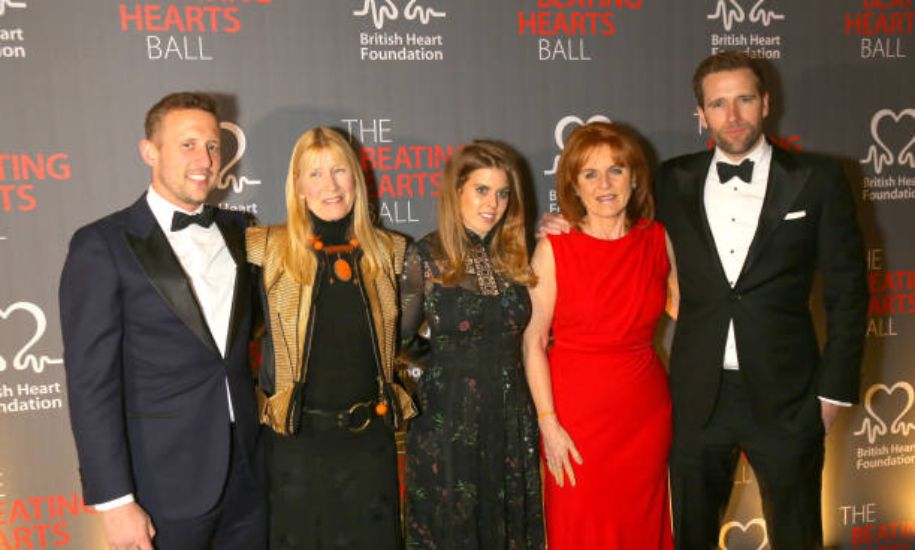
Miles Frost and Wilfred Frost
Wilfred Frost is Miles’s younger brother and a well-known journalist and broadcaster in his own right. Following Miles’s death, Wilfred became one of the most visible voices speaking about inherited heart disease.
He has spoken candidly in interviews about the emotional impact of losing both his father and brother to the same undiagnosed condition. Wilfred’s media experience helped bring clarity and urgency to the issue, encouraging families to seek screening even when no symptoms are present.
Miles Frost and George Frost
George Frost, another younger brother, has largely remained outside the media spotlight but has played a key role behind the scenes. George has been deeply involved in the fundraising and organisational aspects of the Miles Frost Fund, helping turn awareness into measurable action.
Together, Wilfred and George ensured that Miles’s death would lead to structural change rather than momentary headlines.
“Miles Frost MJ” — Clearing Up the Confusion
A frequent search term online is “Miles Frost MJ”, which causes understandable confusion.
This phrase usually refers not to Miles Frost, son of Sir David Frost, but to Myles Frost — an American actor and dancer who starred as Michael Jackson in MJ: The Musical on Broadway.
Key differences:
- Miles Frost: British, finance professional, died in 2015
- Myles Frost: American performer, Tony Award winner, alive
The spelling difference (Miles vs Myles) is small but important. For UK readers, clarity is essential to avoid misinformation.
The Wider Impact of Miles Frost’s Legacy
Since the creation of the Miles Frost Fund, thousands of people in the UK have benefited from improved access to cardiac screening and genetic testing. Families with a history of sudden death or unexplained heart issues are now more likely to receive early diagnoses.
Medical professionals frequently cite Miles Frost’s case when discussing the real-world consequences of undiagnosed HCM. His story has been referenced in public health campaigns, cardiology conferences, and awareness initiatives.
Most importantly, lives have already been saved because relatives of HCM patients were tested early — something that might not have happened without the attention generated by Miles’s story.
Why Miles Frost Still Matters Today
Nearly a decade after his death, Miles Frost remains a powerful symbol of why preventative healthcare matters. His life and legacy remind us that:
- Genetics can be silent but deadly
- Early screening saves lives
- Awareness turns grief into progress
For many UK families, learning about Miles Frost is the first step toward understanding inherited heart disease — and taking action before it is too late.
Final Thoughts
The story of Miles Frost is not just about loss; it is about responsibility, awareness, and change. Through the efforts of his brothers, his family, and organisations like the British Heart Foundation, Miles’s name is now associated with prevention rather than tragedy alone.
At Wisto blogs, we aim to highlight stories like this that combine human experience with public importance — stories that inform, educate, and ultimately protect lives.
